By Emily Parker
Updated November 2026
If you are planning to refresh a room with new doors, painting interior panel doors is one of the most cost-effective ways to change the look without a full replacement. The doors below were chosen by comparing manufacturer specifications, brand reputation and the patterns owners often report after installation. We looked at panel design, core type, whether the door arrives primed and ready to paint, whether it needs boring or hardware, and how well each style suits a typical DIY finish. Use this list as a shortlist, then check measurements against your openings.
Our top picks at a glance
- 1
 TOP CHOICEBest overallJUBEST 24"x80" 2-Panel White Primed Hollow Core Interior Molded Door SlabView on Amazon
- 2
 TOP CHOICEBest for shaker-style roomsShaker Style Molded Paintable Hollow Core Interior Door Slab 30×80 inView on Amazon
- 3
 TOP CHOICEBest for a faux wood finishGiani Wood Look Paint Kit (English Oak)View on Amazon
- 4
 Best for closetsClassic 1-Panel Bi Fold Door 36 x 80 inView on Amazon
- 5
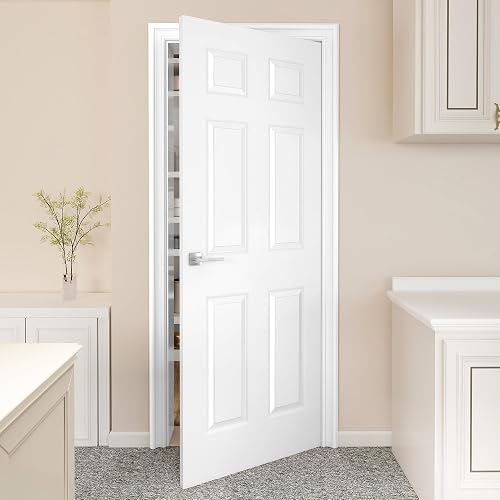 Best for a traditional lookJUBEST 30"x80" Raised 6-Panel Textured White Primed Interior Door SlabView on Amazon
Our Top Picks
| Product | Best for | Key feature |
|---|---|---|
| JUBEST 24″x80″ 2-Panel White Primed Hollow Core Interior Molded Door Slab | Pantries, laundry rooms and general interior openings | Smooth primed surface, ready to paint, no hardware included |
| Shaker Style Molded Paintable Hollow Core Interior Door Slab 30×80 in | Shaker-style interiors and pocket or sliding installations | 1-panel shaker profile, primed and paintable |
| Giani Wood Look Paint Kit (English Oak) | Homeowners who want a wood-grain look on existing doors | Faux wood-look finish system for doors |
| Classic 1-Panel Bi Fold Door 36 x 80 in | Closet openings | Folding design with smooth primed surface |
| JUBEST 30″x80″ Raised 6-Panel Textured White Primed Interior Door Slab | Traditional homes with raised-panel styling | Textured raised 6-panel profile, primed white |
JUBEST 24″x80″ 2-Panel White Primed Hollow Core Interior Molded Door Slab
Smooth Surface, Ready-to-Paint, NOT Pre-drilled, Boring Required, NO Hardware and Hinges, Interior Door for Pantry, Laundry JUBEST 24"x80" 2-Panel White Primed Hollow Core Interior Molded Door Slab
Best for: Pantries, laundry rooms and general interior openings
This is a practical choice for homeowners who need a standard-width door slab for a secondary room and plan to paint it themselves. The 2-panel molded design gives a classic look once it is painted, and the smooth primed surface is easier to coat evenly than bare wood.
Key specs
- Size: 24 in wide by 80 in tall
- Style: 2-panel molded, hollow core
- Surface: white primed, ready to paint
- Not pre-drilled; boring required; hardware and hinges not included
Pros
- Primed surface reduces the prep work before the first coat
- Lightweight hollow core is easier to hang and handle
- Standard width suits many secondary openings
Cons
- You must bore and fit hardware yourself, which adds time
- Hollow core offers less sound and privacy than solid doors
Bottom line: A good fit for a first door-painting project in a utility or storage room where you can accept a hollow core.
Shaker Style Molded Paintable Hollow Core Interior Door Slab 30×80 in
Shaker Style Molded Paintable Hollow Core Interior Door Slab, for Pocket, Swing, Sliding Door, Durable and Lightweight 30×80 in 1-Panel White Primed Interior Door Panel
Best for: Shaker-style rooms and pocket or sliding installations
The shaker profile is a popular modern-traditional style, and this slab suits homeowners who want that look without the cost of solid wood. It is marketed for swing, pocket and sliding use, so it may be a good match if your opening is not a standard hinged swing.
Key specs
- Size: 30 in wide by 80 in tall
- Style: 1-panel shaker, molded hollow core
- Surface: white primed, paintable
- Listed for pocket, swing and sliding applications
Pros
- Shaker profile pairs well with contemporary and farmhouse interiors
- Primed finish is ready for latex paint after light sanding
- Works across several installation types
Cons
- Molded profiles can show brush marks; a foam roller and thin coats help
- Hollow core limits acoustic performance
Bottom line: Best for homeowners who want a shaker look on a lightweight door and may need a sliding or pocket option.
Giani Wood Look Paint Kit (English Oak)
Giani Wood Look Paint Kit for Front & Interior Doors (English Oak)
Best for: Homeowners who want a wood-grain look on existing doors
This is a paint kit rather than a door, so it suits people who already have solid or hollow doors in place and want a faux wood finish. Owners often report that it works best on smooth, well-prepared surfaces.
Key specs
- Product type: wood-look paint kit for front and interior doors
- Finish: English Oak wood-grain effect
- Intended for existing door surfaces
Pros
- Gives a wood-grain appearance without replacing the door
- Useful on older doors that are structurally sound
- Kit format keeps the materials together for one project
Cons
- Results depend heavily on surface prep and technique
- Faux finishes generally need more time and patience than a single-color coat
Bottom line: A good choice if you want the warmth of oak on a door you already own.
Classic 1-Panel Bi Fold Door 36 x 80 in
Classic 1-panel molded design bi fold door with a smooth primed surface, ready to paint 36 x 80 in Bifold Door, 1 Panel Folding Hollow Core Closet Door
Best for: Closet openings
Bifold doors are common on closets and utility cupboards, and this 1-panel model arrives with a smooth primed surface that is ready for paint. It suits homeowners who want a simple, consistent look across a closet wall.
Key specs
- Size: 36 in wide by 80 in tall
- Style: 1-panel folding, hollow core
- Surface: smooth primed, ready to paint
Pros
- Folding design saves floor space in tight closets
- Smooth surface is simple to roll with a foam or microfiber roller
- Single-panel profile keeps prep work manageable
Cons
- Bifold hardware and alignment need careful setup
- Hinged edges need extra attention to avoid drips and buildup
Bottom line: A practical pick for closet makeovers where space and an easy paint job matter most.
JUBEST 30″x80″ Raised 6-Panel Textured White Primed Interior Door Slab
Lightweight Hollow Core, NOT Pre-drilled, Boring Required, NO Hardware and Hinges, Paintable Interior Door for Pantry,Laundry JUBEST 30"x80" Raised 6-Panel Textured White Primed Interior Door Slab
Best for: Traditional homes with raised-panel styling
The raised 6-panel design reads as classic and suits homes with traditional trim and millwork. The textured surface adds visual depth once painted, though it needs a little more attention when rolling.
Key specs
- Size: 30 in wide by 80 in tall
- Style: raised 6-panel, textured, hollow core
- Surface: white primed, ready to paint
- Not pre-drilled; boring required; hardware not included
Pros
- Raised 6-panel profile suits traditional interiors
- Textured surface hides minor imperfections once painted
- Primed finish reduces the number of prep steps
Cons
- Textured panels collect more paint in the grooves and need cutting in with care
- Hollow core and boring requirements add installation effort
Bottom line: Ideal for homeowners matching existing raised-panel doors or aiming for a traditional look.
Buying Guide
Panel style and profile
Shaker, flat, raised and 6-panel profiles each change how a painted door looks. Raised panels catch shadows and need more brush work, while flat or shaker profiles are simpler to coat evenly. Match the profile to your existing trim and casings.
Good picks for this: Shaker Style Molded Paintable Hollow Core Interior Door Slab; JUBEST 30″x80″ Raised 6-Panel Textured White Primed Interior Door Slab
Core type and weight
Hollow core doors are lighter and cheaper to handle, but they offer less sound insulation and a less solid feel when closed. Solid core doors are heavier and more stable. For bedrooms or home offices, weigh noise control against ease of installation.
Good picks for this: JUBEST 24″x80″ 2-Panel White Primed Hollow Core Interior Molded Door Slab; Classic 1-Panel Bi Fold Door 36 x 80 in
Size and fit
Measure the rough opening width, height and the door thickness before buying. Standard interior doors are commonly 80 in tall, but widths vary. A door that is even slightly off can cause rubbing or gaps, so confirm the dimensions against your frame.
Good picks for this: JUBEST 24″x80″ 2-Panel White Primed Hollow Core Interior Molded Door Slab; Shaker Style Molded Paintable Hollow Core Interior Door Slab 30×80 in
Pre-finished versus ready-to-paint
Primed doors save a step, but they still need light sanding and a bonding primer if you change color significantly. Unfinished doors need full prep. Check whether the listing says primed, and plan for at least one coat of primer over any repaired spots.
Good picks for this: JUBEST 24″x80″ 2-Panel White Primed Hollow Core Interior Molded Door Slab; JUBEST 30″x80″ Raised 6-Panel Textured White Primed Interior Door Slab
Installation requirements
Some slabs arrive without bored holes or hardware. Boring for a lockset, and installing hinges, takes a jig and some experience. Factor this time into your project, or plan to have a carpenter handle the hardware.
Good picks for this: Shaker Style Molded Paintable Hollow Core Interior Door Slab 30×80 in; Classic 1-Panel Bi Fold Door 36 x 80 in
Finish effect and paint system
Decide whether you want a solid color, a sheen level, or a faux wood-grain look. Satin and semi-gloss sheens are common on doors because they wipe clean. Faux finishes need a kit or specialty product designed for that effect.
Good picks for this: Giani Wood Look Paint Kit (English Oak); Shaker Style Molded Paintable Hollow Core Interior Door Slab 30×80 in
Care and durability
Doors take frequent contact at the handle, edges and lower panel. Use a durable enamel or cabinet-grade paint on high-traffic doors, allow full cure time before rehanging, and expect to touch up edges over time.
Good picks for this: JUBEST 30″x80″ Raised 6-Panel Textured White Primed Interior Door Slab; Classic 1-Panel Bi Fold Door 36 x 80 in
FAQ
Do I need to sand a primed door before painting?
Usually yes, lightly. A quick scuff sand with fine-grit sandpaper helps the topcoat bond and removes any dust or shine from the factory primer. Wipe the surface clean before painting.
Should I remove the door to paint it?
Removing the door is the easiest way to get clean coverage on all edges and panels. It also keeps paint off the frame and floor. If you paint in place, protect the hardware and surrounding trim with painter’s tape.
What roller works best on panel doors?
A small foam or microfiber roller helps on flat and shaker panels. Textured or raised panels usually need a combination of a brush for the grooves and a roller for the flat areas. Choose a brush suited to your paint type.
How many coats of paint does a door need?
Most projects use one coat of primer and two topcoats, with light sanding between coats. Dark colors over light primer may need an additional coat for full coverage. Check the paint manufacturer’s recommended recoat time.
Can I paint a hollow core door?
Yes. Hollow core doors take paint well when properly prepped. Avoid heavy coats that can drip into the core openings, and use thin, even coats to keep the surface smooth.
How long should paint cure before rehanging a door?
Paint may feel dry to the touch within hours, but full cure can take several days or longer depending on the product. Check the can’s cure time, and avoid slamming or rubbing the door during that period. A professional painter or the paint maker can advise on specific timing.
Conclusion
For most DIY painting interior panel doors projects, the JUBEST 24″x80″ 2-Panel White Primed Hollow Core door is a sensible starting point because it arrives primed and ready to paint. Choose the shaker-style slab if you want a modern-traditional look or need a pocket or sliding option. Pick the Giani Wood Look kit if you want a wood-grain finish on a door you already own. The bi fold door suits closets, and the raised 6-panel slab fits traditional homes. Confirm your opening size, plan for boring and hardware, and allow enough time for proper prep and cure.
Sources
- Consumer safety guidance on home improvement, including paint and product use around the house (cpsc.gov)
- Information on painting safely, ventilation and handling of paint and solvents (epa.gov)
- Workplace and ladder safety guidance useful when removing or rehanging doors (osha.gov)
Related reading
- Price for Painting Interior Doors: A Step-by-Step Cost and Time Guide
- Painting Interior Doors Dark: A Step-by-Step Guide for Beginners
- Painting Interior Doors Colours: A Step-by-Step Guide for a Lasting Finish
- Painting Interior Doors Colors: 3 Best Paints Compared (2026)
- Interior Door Painting Service: What to Expect and How to Choose One
About Emily Parker
Emily Parker is part of our editorial team and reviews and edits our DIY home renovation guides, checking product details against manufacturer specifications and owner feedback.