 By Owen Palmer
Updated November 2026
Learning how to clean laminate flooring takes less time than most people expect, and the right method keeps the surface from swelling, streaking, or losing its shine. You will sweep or vacuum loose debris, mop with a barely damp cloth, and dry the floor before water can seep into the seams. The whole process usually fits into about 30 minutes for an average room.
Start With Dry Debris Removal
Grit is the main reason laminate looks dull. Sand and small stones act like sandpaper under foot traffic, so removing them first matters more than any cleaning product. Use a soft-bristle broom, a vacuum with a hard-floor setting, or a microfiber dust mop. Turn off the beater bar on your vacuum, since its rotating brush can scratch the wear layer.
Shopping for one? See our guide: 7 Best Laminate Flooring Installation Tools for DIY Renovators (2026).
Pay extra attention to corners, along baseboards, and under the edges of area rugs. These spots collect grit that gets dragged across the floor every time you walk.
Mop With a Barely Damp Cloth
Laminate core material is fiberboard, and fiberboard swells when it soaks up water. The goal is a cloth that feels cool and slightly damp, not wet. Wring a microfiber mop or cloth until almost no liquid drips when you squeeze it.
Use a pH-neutral laminate floor cleaner, or a few drops of mild dish soap in a bucket of warm water. Skip vinegar and ammonia solutions, which can dull the finish over time. Work in sections about 3 feet wide, moving with the grain of the planks.
Steps for a Single Room
- Sweep or vacuum the entire room, including edges and corners.
- Fill a bucket with warm water and add the recommended amount of cleaner, or a few drops of dish soap.
- Wring a microfiber mop until it is barely damp.
- Mop one section at a time, moving with the plank direction.
- Rinse the mop in clean water, wring it again, and go over any sticky areas.
- Dry the floor with a clean, dry towel or let it air-dry with the room ventilated for 10 to 15 minutes.
Remove Stains and Scuffs Gently
Most stains come up with a damp cloth and a little cleaner. For scuff marks from shoes or furniture, a melamine sponge (often sold as a magic eraser) can lift the mark when used lightly. Test any sponge or cleaner in a hidden spot first, because some finishes react differently.
Sticky residue, such as dried juice or pet accidents, usually needs a second pass with a cleaner rather than more scrubbing. Heavy scrubbing can wear through the protective layer and leave a dull patch that is hard to fix.
Common Mistakes
- Flooding the floor. Standing water is the fastest way to cause edge swelling and seam gaps.
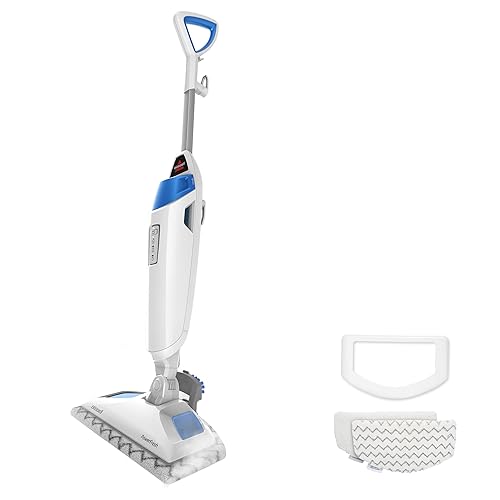
- Using steam mops. The heat and moisture can break down the seams and the core.
- Applying wax or polish. Laminate has a sealed surface, so wax builds up and creates a hazy film.
- Skipping the doormat. Grit at entrances causes most of the scratches on laminate.
- Using abrasive pads. Steel wool and scouring pads leave permanent marks in the finish.
Recommended Gear
- Microfiber flat mop: The flat pad lets you wring the cloth tightly, which keeps moisture low. View on Amazon
- pH-neutral laminate floor cleaner: Formulated to clean without leaving a film or harming the finish. View on Amazon
- Melamine sponge: Useful for scuff marks when used gently and tested first. View on Amazon
If you are still planning the floor itself, How to Choose Flooring for Your Kitchen covers how laminate compares for high-traffic areas, and Laminate vs Vinyl Flooring explains how moisture resistance differs between the two.
FAQ
Can I use vinegar on laminate flooring?
It is better to avoid it. Vinegar is acidic and can dull the protective finish over repeated use, so a pH-neutral laminate cleaner is a safer choice.
How often should I clean laminate floors?
Sweep or vacuum several times a week in busy areas, and damp-mop about once a week or whenever spills appear. Clean spills right away so they do not soak into the seams.
Is it safe to use a steam mop on laminate?
Manufacturers generally advise against it. Heat and moisture can cause seams to open and the core to swell, so stick with a damp microfiber mop.
Conclusion
Clean laminate floors by removing grit first, then mopping with a barely damp cloth and a pH-neutral cleaner. Dry the surface promptly and avoid standing water, wax, and abrasive pads. With a consistent routine, the floor will keep its finish for years. If you notice persistent swelling or damage, consult a flooring professional for an assessment.
Related reading
Ready to choose one?
About Owen Palmer
Owen Palmer is part of our editorial team and reviews and edits our DIY home renovation guides, checking product details against manufacturer specifications and owner feedback.