Quick answer
Our overall pick is the ZIPWALL PY50 plastic sheeting for its large, continuous coverage and compatibility with a widely used pole system. Other picks are best for creating zippered doorways, offering fire-rated protection, or providing economical, smaller sheets.
Creating a reliable dust barrier is one of the most important steps in planning a home renovation. A good containment system protects your living spaces from drywall dust, debris, and paint overspray, making cleanup faster and preventing damage. To find the best dust barriers, we compared manufacturer listings and specifications for products on Amazon. Our list includes plastic sheeting in rolls, pre-made zipper doors, and specialized flame-retardant options to suit different project needs and room sizes.
Quick picks
- Large-area coverage: ZIPWALL PY50 Plastic Sheeting (see on Amazon)
- Easy-access doorway: ANWEOR 2-Pack Zipper Door (see on Amazon)
- Flame-retardant sheeting: VBS Flame Retardant Plastic Sheeting (see on Amazon)
- Tape-free static cling: Trimaco Easy Mask Cling Cover (see on Amazon)
10 Best Dust Barriers for Renovation compared
| # | Product | Best for | Material Thickness | Size / Dimensions | Special Features |
|---|---|---|---|---|---|
| 1 | ZIPWALL PY50 Plastic Sheeting | Best overall for large-area coverage | 3 mil | 10ft x 50ft | Works with ZIPWALL poles |
| 2 | VBS Flame Retardant Plastic Sheeting | Best flame-retardant sheeting for added safety | 6 mil, flame retardant | 12ft x 100ft | Flame retardant, multi-purpose |
| 3 | Film-Gard Construction Plastic Sheeting | Best heavy-duty clear plastic roll | 6 mil | 10ft x 100ft | Clear, construction-grade |
| 4 | Trimaco Easy Mask Cling Cover | Best for static-cling application without tape | Not listed | 9ft x 400ft | Static cling, no tape needed |
| 5 | PAD ‘N PROTECT Flame Retardant Sheeting | Best certified flame-retardant plastic | 4 mil, flame retardant | 12ft x 100ft | NFPA 701 certified, anti-static |
| 6 | ANWEOR 2-Pack Zipper Door | Best for a tool-free, reusable doorway seal | 6 mil | 4ft x 7.2ft (per door) | Includes gaffer tape, double-sided zipper |
| 7 | ZIPWALL ZipDoor Standard Kit | Best for a quick-seal doorway kit | 4 mil | 4ft x 7.5ft | Includes double-sided tape and flap hooks |
| 8 | VEMEK Professional Zipper Door | Best heavy-duty, reusable zipper door | 6 mil | Fits up to 4’x7′ | Stitched zipper, reusable |
| 9 | ANWEOR 4-Pack Zipper Door | Best multi-pack for large projects | 6 mil | 4ft x 7.2ft (per door) | Includes gaffer tape, double-sided zipper |
| 10 | ZENOWICK 12-Pack Drop Cloths | Best for furniture and small-area protection | 0.4 mil | 9ft x 12ft (each of 12) | Clear, multi-pack for furniture |
How we chose
We selected these products by comparing manufacturer listings and specifications on Amazon as of October 2026. We did not test, use, or review any product hands-on. Our comparisons focused on the stated material thickness (mil), dimensions, included features like zippers or tape, and any special properties like flame retardancy.
Plastic Sheeting Rolls for Large Areas
These large rolls of plastic are designed to create expansive dust barriers and floor protection.
1. Best overall for large-area coverage: ZIPWALL PY50 Plastic Sheeting

Pros
- Large 10' x 50' size for extensive coverage
- 3-mil thickness for substantial yet light-transmitting barrier
- Comes in a dispenser for easy storage and use
Cons
- ZIPWALL poles are not included
- The listing does not mention adhesive or a method for hanging beyond pole compatibility
The ZIPWALL PY50 is a 10-foot by 50-foot roll of 3-mil white plastic sheeting. The listing describes it as the perfect size and thickness for setting up a temporary dust protection system. It comes in a convenient dispenser and is designed to work with ZIPWALL poles (sold separately) to create a continuous barrier. The white color provides privacy while still allowing light through.
Best for: Creating a long, continuous dust barrier across a large opening or room.
2. Best flame-retardant sheeting for added safety: VBS Flame Retardant Plastic Sheeting

Pros
- Flame retardant property listed
- Very large 12' x 100' coverage
- 6-mil thick and described as durable and weather-resistant
Cons
- The listing does not specify a certification standard for flame retardancy
- Large, heavy roll may be difficult for one person to handle
This is a 12-foot by 100-foot roll of 6-mil white plastic sheeting that is listed as flame retardant. The manufacturer states it is made from low-density polyethylene and is engineered to be strong, durable, and useful as a moisture barrier, vapor barrier, and dust containment sheet. It is described as able to withstand various weather conditions.
Best for: Projects where an added layer of fire safety is desired for the containment area.
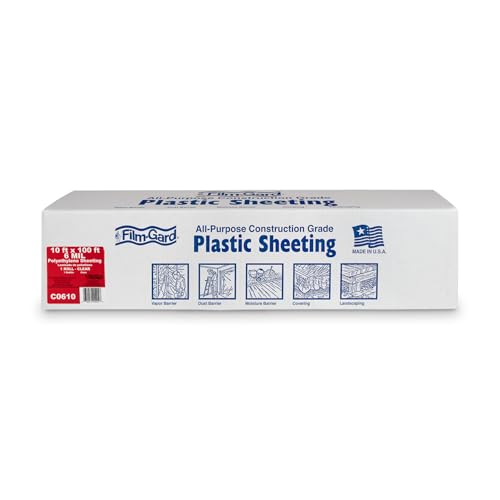
3. Best heavy-duty clear plastic roll: Film-Gard Construction Plastic Sheeting
Pros
- Heavy-duty 6-mil clear plastic
- Very large 10' x 100' coverage
- Listed for multi-purpose commercial and construction use
Cons
- The listing does not mention any adhesive or hanging method
- Large, heavy roll may be difficult for one person to handle
The Film-Gard sheeting is a 10-foot by 100-foot roll of 6-mil clear polyethylene. The listing describes it as construction-grade, durable, and suitable for commercial projects, vapor barriers, concrete curing, and dust barriers. It is made in the USA.
Best for: Large projects requiring a thick, clear plastic for dust containment or vapor barrier.
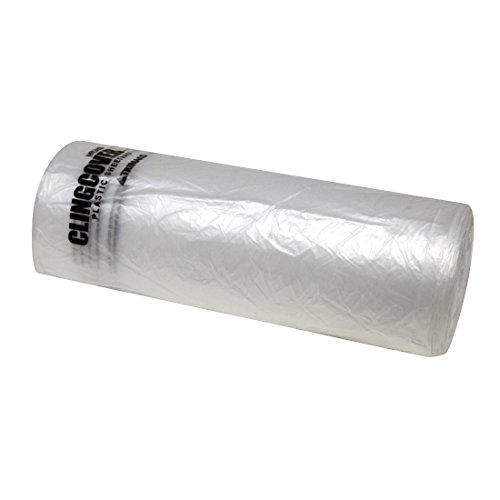
4. Best for static-cling application without tape: Trimaco Easy Mask Cling Cover
Pros
- Static cling adheres without tape
- Extremely long 9' x 400' roll
- Attracts dust and overspray according to the listing
Cons
- The listing does not state the material thickness (mil)
- Effectiveness of cling may vary by surface type and cleanliness
The Trimaco Easy Mask is a 9-foot by 400-foot roll of clear plastic sheeting that uses a static cling to grip to walls and surfaces. The listing states no tape is needed for installation and that it attracts paint overspray and dust. It comes in a dispenser box.
Best for: Quickly masking walls, ceilings, and cabinets where tape is not desired.
5. Best certified flame-retardant plastic: PAD ‘N PROTECT Flame Retardant Sheeting

Pros
- Passed NFPA 701 tests per listing, with certification printed on sheet
- Large 12' x 100' coverage
- Listed as both flame retardant and anti-static
Cons
- Thinner 4-mil material compared to some other heavy-duty rolls
- The listing does not mention included hanging hardware or adhesive
This is a 12-foot by 100-foot roll of 4-mil plastic sheeting listed as flame retardant and anti-static. The manufacturer states it has passed NFPA 701 Test 1 and 2, with the certification printed on the sheet. It is designed for containment, dust barriers, and temporary enclosures.
Best for: Projects requiring documented, certified flame-retardant protection.
Zipper Door Kits for Doorways
These kits include a pre-made plastic door with a zipper, allowing easy access while sealing off a room.
6. Best for a tool-free, reusable doorway seal: ANWEOR 2-Pack Zipper Door

Pros
- Includes two doors for multiple openings or replacements
- 6-mil thick, transparent plastic for durability and visibility
- Comes with wall-safe tape for tool-free installation
Cons
- Manual installation required with included tape
This ANWEOR kit includes two heavy-duty plastic zipper doors, each measuring approximately 4 feet by 7.2 feet. The doors are made from 6-mil, tear-resistant, transparent PVC and feature a double-sided zipper. The kit includes a roll of 3cm wide gaffer tape for tool-free installation that is listed as wall-safe and residue-free.
Best for: Sealing standard doorways with easy access during multi-room projects.
7. Best for a quick-seal doorway kit: ZIPWALL ZipDoor Standard Kit

Pros
- Complete kit with panel, zippers, tape, and hooks
- Pre-installed heavy-duty fabric zippers
- Includes specialized double-sided tape for doorframes
Cons
- Single door panel included
- Smaller 4-mil thickness compared to some other door kits
The ZIPWALL ZipDoor is a single-kit solution for sealing a standard doorway. It includes one 4-foot by 7.5-foot panel of 4-mil red plastic with two pre-installed heavy-duty fabric zippers. The kit also contains a roll of double-sided tape for attaching it to a doorframe and flap hooks to hold the door up for entry and exit.
Best for: Quickly creating a sealed, accessible entry to a single work area.
8. Best heavy-duty, reusable zipper door: VEMEK Professional Zipper Door

Pros
- Heavy-duty 6-mil construction
- Double-sided stitched zipper for durability
- Reusable design
Cons
- The listing does not mention included tape or hanging hardware
- Manual installation required
The VEMEK Professional Zipper Door is made from heavy-duty 6-mil sheeting and is designed to fit doors up to 4 feet by 7 feet. It features a double-sided stitched zipper (not glued) for durability and smooth operation. The listing emphasizes its reusable construction and ease of setup and removal.
Best for: A durable, long-lasting access door for repeated use on multiple projects.
9. Best multi-pack for large projects: ANWEOR 4-Pack Zipper Door

Pros
- Four doors provide extensive coverage
- 6-mil thick, transparent plastic
- Includes wall-safe installation tape
Cons
- Manual installation required with included tape
This is a four-pack of the ANWEOR plastic zipper doors. Each door is made from 6-mil, transparent, tear-resistant PVC and measures approximately 4 feet by 7.2 feet with a double-sided zipper. The pack includes a roll of 3cm wide gaffer tape for installation, which is listed as leaving no residue on walls.
Best for: Sealing multiple doorways or having spares for a large, multi-stage renovation.
Multi-Pack Drop Cloths
These packs contain multiple smaller plastic sheets, ideal for covering furniture or creating smaller barriers.
10. Best for furniture and small-area protection: ZENOWICK 12-Pack Drop Cloths

Pros
- Twelve sheets offer versatile, piece-by-piece coverage
- Clear plastic allows visibility
- Described as tear-resistant and odorless
Cons
- Thinner 0.4-mil material compared to other options
- Sheets are not connected for creating large, seamless barriers
The ZENOWICK pack includes twelve clear plastic sheets, each measuring 9 feet by 12 feet (0.4 mil thick). The listing states they are made from odorless, tear-resistant polyethylene and are designed to protect furniture, floors, and carpets from dust and spills during painting or renovation. The clear material allows visibility of covered items.
Best for: Covering furniture, protecting floors in small areas, or creating quick, small barriers.
How to choose a dust barrier
Selecting the right dust barrier depends on the scope of your project and the areas you need to protect. The goal is to create an effective seal that contains debris while allowing for necessary access and safety. For major renovations that generate a lot of dust, like whole-house updates, a robust system is key to avoiding a cleanup nightmare.
What to look for
- Material and Thickness: Plastic sheeting thickness is measured in mils (thousandths of an inch). A 3-4 mil sheet is good for light dust containment, while 6 mil offers more durability for heavy debris or potential punctures. For projects involving heat sources or where fire codes apply, look for sheeting listed as flame retardant.
- Size and Coverage: Measure the openings (doorways, hallways) and floor areas you need to cover. Large rolls (e.g., 10’x100′) are efficient for big spaces, while multi-packs of smaller sheets are handy for furniture. Zipper door kits are sized for standard doorways.
- Installation Method: Consider how you’ll hang the barrier. Some products work with pole systems, others include double-sided tape or gaffer tape, and static-cling varieties require no adhesive. Ensure the method is suitable for your walls and trim to avoid damage—a common renovation mistake.
- Access and Visibility: If you need to frequently enter and exit the work area, a zipper door is invaluable. Transparent plastic allows light in and lets you monitor the work without entering, which is helpful for DIYers and contractors alike.
Always follow the manufacturer’s instructions for installation and removal. For any project that may disturb lead paint, review the guidelines from the EPA’s Renovation, Repair and Painting Program.
FAQ
What’s the difference between a plastic drop cloth and a dust barrier?
While both are often made of plastic, their primary use differs. A drop cloth is typically used on floors and surfaces to protect from spills and drips. A dust barrier is hung vertically to contain airborne particles and prevent them from migrating to other rooms. Some thicker plastic sheets can serve both purposes.
Can I reuse plastic dust barriers?
It depends on the product and its condition. Heavy-duty, 6-mil plastic and specifically designed zipper doors (like the VEMEK or ANWEOR) are often marketed as reusable if carefully taken down. Thinner plastics or those heavily soiled with dust and debris may tear and are typically considered disposable.
Do I need special tape to hang plastic sheeting?
It’s highly recommended. Standard masking or painter’s tape may not hold the weight of plastic sheeting. Many kits include double-sided tape or wider gaffer tape designed for this purpose. Some tapes are formulated to be residue-free to protect surfaces. The Trimaco product uses a static cling instead of tape.
When should I consider flame-retardant plastic sheeting?
Flame-retardant sheeting is a safety consideration for projects involving sparks, high heat, or open flames (like welding or soldering) near the containment area. It may also be required by code for certain commercial or multi-family residential projects. For most interior residential painting and drywall work, standard plastic is sufficient.
References
- Amazon product listings and manufacturer specifications (accessed October 2026)
- EPA Renovation, Repair and Painting Program