
 By Emily Parker
Updated November 2026
Planning a commercial interior painting cost estimate can feel like guesswork until you have the right reference material. Whether you are a property manager scoping an office refresh, a business owner preparing a retail space, or a painting contractor building bids, you need a source that breaks down labor, materials, prep and scheduling. The four picks below were chosen by reviewing their listing descriptions, stated scope, intended audience and the kinds of feedback owners commonly report. We did not test these books or tools in the field; the criteria are specifications, publisher reputation and how well each one covers commercial versus residential work.
Our top picks at a glance
- 1
 TOP CHOICEBest overallThe Beginner's Guide to Interior & Exterior House PaintingView on Amazon
- 2
 Best for bid estimates2025 National Painting Cost EstimatorView on Amazon
- 3
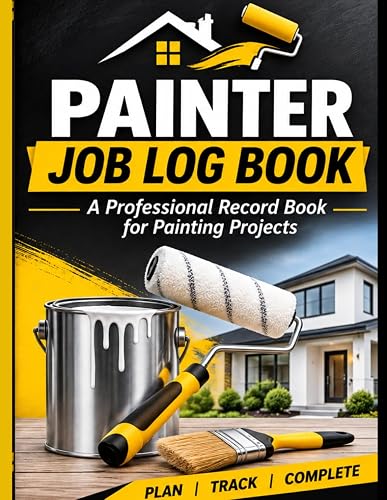 Best for tracking crew hours and materialsPainter Job Log BookView on Amazon
- 4
 Best for profitability analysisResidential Interior Painting Job Costing Forms BookView on Amazon
Our Top Picks
Quick Comparison
| Product | Best for | Key feature |
|---|---|---|
| The Beginner’s Guide to Interior & Exterior House Painting | Owners learning the process | Covers planning, prep and common mistakes |
| 2025 National Painting Cost Estimator | Bid preparation | Regional labor and material reference data |
| Painter Job Log Book | Day-to-day job tracking | Commercial and residential logging pages |
| Residential Interior Painting Job Costing Forms Book | Contractors reviewing margins | Structured job costing worksheets |
The Beginner’s Guide to Interior & Exterior House Painting
The Beginner’s Guide to Interior & Exterior House Painting: Save Money, Avoid Costly Mistakes, and Get Professional Results
Best for: Building a general understanding of how painting projects are scoped and where costs come from
This guide suits property owners, facility managers and first-time contractors who want to understand the full sequence of a painting job before requesting bids. Its title promises coverage of both interior and exterior work, so commercial readers should expect more general residential examples than office-specific ones.
Key specs
- Format: paperback instructional guide
- Scope: interior and exterior house painting
- Focus: cost saving, common mistakes and professional-style results
Pros
- Explains the sequence of prep, priming and finish coats in plain language
- Useful for understanding why labor often takes more time than the paint itself
- Good starting point before reading more detailed estimating references
Cons
- Commercial-scale examples are limited compared with residential ones
- Does not provide current regional pricing tables
Bottom line: A solid first read for anyone new to painting projects who wants context before pricing a commercial job.
2025 National Painting Cost Estimator
2025 National Painting Cost Estimator
Best for: Preparing bid estimates and comparing scope against typical market ranges
This estimator is aimed at contractors and buyers who need a reference framework for building numbers. It is most useful when you already know your square footage, number of rooms and surface types, and want to check whether a proposal sits within a reasonable range for your region.
Key specs
- Format: cost estimating reference
- Year edition: 2025, per the listing title
- Scope: national painting cost data
Pros
- Organizes labor and material figures in a way that supports bid comparison
- Helpful for checking whether a quote accounts for prep work
- Gives a common baseline when discussing scope with multiple bidders
Cons
- Data reflects the edition year, so figures may lag current conditions
- National averages need local adjustment for accurate commercial bids
Bottom line: Best for buyers and estimators who want a structured reference when comparing commercial painting proposals.
Painter Job Log Book
Painter Job Log Book: Commercial & Residential Project Management, Paint Color Formula, Material Cost, Labor Hours & Client Expense Tracker for Painting Contractors
Best for: Tracking crew hours, paint formulas and client expenses on commercial and residential jobs
This log book is designed for working painting contractors who need to record what actually happened on a job. Keeping accurate hours and material records is the only way to learn whether a commercial interior estimate was realistic, so this suits contractors who want to refine future bids.
Key specs
- Format: job log book
- Covers: commercial and residential projects
- Tracks: paint color formulas, material cost, labor hours and client expenses
Pros
- Records paint color formulas, which helps with touch-ups months later
- Separates material cost from labor hours for clearer margin review
- Useful for documenting client expenses on multi-room commercial work
Cons
- Requires consistent entries; benefits depend on discipline
- Does not calculate totals automatically
Bottom line: A practical choice for contractors who want a paper record of actual hours and materials on commercial jobs.
Residential Interior Painting Job Costing Forms Book
Residential Interior Painting Job Costing Forms Book: A Practical Job Costing System for Painting Contractors to Track Projects, Control Costs, and Improve Profitability
Best for: Reviewing job profitability and controlling costs across a painting business
This book takes a more systematic approach, offering forms for tracking each project against its estimate. Despite the residential focus in the title, the underlying costing logic applies to small commercial interior jobs where the contractor needs to know whether the bid covered overhead and labor.
Key specs
- Format: job costing forms book
- Focus: interior painting projects
- Purpose: tracking projects, controlling costs and improving profitability
Pros
- Provides a repeatable structure for comparing estimated and actual costs
- Helps identify which task categories consistently run over budget
- Supports a more disciplined approach to future commercial bids
Cons
- Residential emphasis means commercial-specific categories may need adding by hand
- Works best alongside consistent time logging
Bottom line: Suited to painting contractors who want to measure profitability and tighten commercial bid accuracy over time.
Buying Guide
Know What Your Commercial Space Actually Requires
Commercial interiors differ from homes in ways that affect cost. Offices and retail spaces often have high ceilings, long wall runs, exposed ductwork, and surfaces that must be painted during off-hours. A project scope should list square footage of walls and ceilings separately, the number of doors and frames, and any specialty finishes such as epoxy or high-traffic coatings. Reference books that let you enter these measurements separately will give you a more accurate picture of commercial interior painting cost than a single per-square-foot figure.
Good picks for this: 2025 National Painting Cost Estimator, Residential Interior Painting Job Costing Forms Book
Check Whether the Guide Covers Prep Work
Surface preparation often accounts for a large share of labor on existing buildings. Patching drywall, sanding, scraping, cleaning grease from kitchen areas and masking floors all add time. Look for references that discuss prep explicitly rather than treating paint as the main line item. Underestimating prep is one of the most common reasons commercial painting bids come in low.
Good picks for this: The Beginner’s Guide to Interior & Exterior House Painting, 2025 National Painting Cost Estimator
Consider Commercial Versus Residential Scope
Many painting references focus on homes. If you are bidding offices or retail space, check whether the book addresses larger crews, after-hours scheduling, and the difference between a single room and a multi-floor build. Mismatched scope is a frequent source of error when homeowner-oriented figures are applied to commercial jobs.
Good picks for this: Painter Job Log Book, Residential Interior Painting Job Costing Forms Book
Look at Record-Keeping Features
If you run a painting business, a log that captures paint formulas, labor hours and material receipts gives you historical data to improve future estimates. Paper logs require discipline, so consider how easily you can fill them in at the end of each shift. Recording paint color codes also saves time on touch-up visits.
Good picks for this: Painter Job Log Book, Residential Interior Painting Job Costing Forms Book
Match the Tool to Your Role
A property manager comparing bids needs different information than a contractor building a bid. Owners benefit most from educational guides that explain the sequence of work. Contractors benefit from estimating and costing tools. Choosing a reference that matches your role prevents you from buying detail you will not use or missing the detail you need.
Good picks for this: The Beginner’s Guide to Interior & Exterior House Painting, 2025 National Painting Cost Estimator
Watch the Edition Year
Material and labor conditions change. Any printed estimator reflects the data available when it was compiled. When comparing a commercial interior painting cost figure against a reference, confirm its publication year and adjust for current local labor rates and product lines. Treat printed figures as a starting framework rather than a final number.
Good picks for this: 2025 National Painting Cost Estimator, Painter Job Log Book
Plan for Durability and Use
Books used on job sites get handled roughly. Look at binding, page count and whether the layout suits writing with gloves on or a clipboard. A log that lasts a full season of projects is more useful than a slim notebook that falls apart after a few months.
Good picks for this: Painter Job Log Book, Residential Interior Painting Job Costing Forms Book
FAQ
What factors most affect commercial interior painting cost?
Square footage of wall and ceiling surfaces, the condition of existing surfaces, the amount of prep work, ceiling height, access constraints, and whether work must be done outside business hours all influence the total. Specialty coatings and the number of colors also matter.
Why do commercial bids often differ so much?
Contractors make different assumptions about prep, number of coats, scheduling and crew size. A bid that lists scope clearly is easier to compare than one that gives a single lump figure.
Is a general painting guide enough for a commercial project?
It helps with understanding the process, but commercial projects usually need estimating references that handle larger areas and off-hours work. Pair a general guide with a cost estimator for better planning.
Do job log books help with future estimates?
Yes. Recording actual labor hours and material use lets you compare what you estimated against what happened. Over several jobs, these records reveal which tasks consistently take longer than expected.
Should I hire a professional to assess the scope?
For larger or multi-floor commercial projects, consulting a licensed painting contractor or estimator is advisable. A professional can inspect surfaces for hazards such as lead-based paint, which requires specific handling procedures. Consult a qualified professional before disturbing older coatings.
How often should cost references be updated?
Check the publication year and compare figures against current supplier quotes and local labor rates. Printed references serve best as a framework rather than a final number.
Conclusion
For most readers researching commercial interior painting cost, the best starting point is The Beginner’s Guide to Interior & Exterior House Painting to understand the process, then the 2025 National Painting Cost Estimator to frame bids. Contractors who want to measure results should add the Painter Job Log Book for daily records and the Residential Interior Painting Job Costing Forms Book to review profitability. Each pick serves a different role, so match the tool to whether you are buying a service, comparing bids, or running a painting business.
For background on related planning, see Commercial Interior Painting Services: A Step-by-Step Buyer's Guide, Professional Interior Painting Cost: A Practical Guide (2026), Interior Wall Painting Cost: What Homeowners Should Expect to Pay, Interior Painting Cost per Sq Foot: A Step-by-Step Guide (2026), and Interior Trim Painting Cost: What to Expect and How to Plan Your Project.
Sources
- Workplace safety requirements that apply to painting work, including ventilation and handling of coatings (osha.gov)
- Lead-safe practices and guidance for painting older buildings where lead-based paint may be present (epa.gov)
- Standards and measurement guidance useful for accurate square footage and surface area calculations (nist.gov)
About Emily Parker
Emily Parker is part of our editorial team and reviews and edits our DIY home renovation guides, checking product details against manufacturer specifications and owner feedback.



