By Owen Palmer
Updated November 2026
Flooring installation labor cost is the part of your flooring budget that pays for skilled hands to prepare the subfloor, lay the material, and finish the edges. In this guide, we walk through how installers usually price their work, which factors push the number up or down, and how to build a realistic labor estimate for your own room. By the end, you will know what to ask for in quotes and where you can save time and effort yourself.
How Flooring Installation Labor Cost Is Usually Calculated
Most installers price labor in one of three ways. The most common is by the square foot, where the rate covers removal of old flooring, preparation, installation, and cleanup for a given area. Some installers charge by the hour, which is more typical for repair work or jobs with lots of cutting, odd shapes, or custom patterns. A few quote a flat fee for a whole room or a whole house once they have measured.
Shopping for one? See our guide: LVP Flooring Installation Cost Per Sq Ft: 4 Best Options Compared (2026).
When you compare quotes, make sure each one lists the same scope. One installer may include floor removal and disposal, while another expects you to haul out the old carpet yourself. Ask each company to break out labor separately from materials so you can compare the real numbers.
Per Square Foot Pricing
Per square foot pricing is easy to understand and easy to compare. Multiply the square footage of each room by the installer’s rate, then add any surcharges for stairs, transitions, or extra prep. Be sure to measure carefully: most installers add an allowance of around 5 to 10 percent for waste, which covers cuts and mistakes. Ask whether that waste factor is included in their quote or charged separately.
Hourly Pricing
Hourly pricing makes sense when the job is unpredictable. If your subfloor is uneven or water-damaged, an installer may not know the true scope until they start pulling up the old floor. In that case, ask for an estimated number of hours, a cap on total hours, and a clear rule for what happens if the job runs longer.
Factors That Affect Flooring Installation Labor Cost
Labor is not a fixed number. Several details change how long a job takes and how much skill it requires. The table below shows the most common drivers and how each one typically affects the work.
| Factor | How It Affects Labor |
|---|---|
| Flooring type | Click-lock planks are usually faster to install than glued sheet goods or nailed hardwood, which need more setup time. |
| Subfloor condition | Level, sound subfloors go quickly. Soft spots, squeaks, or moisture problems add prep hours. |
| Room layout | Closets, alcoves, angled walls, and built-ins mean more cuts and more time. |
| Stairs | Each stair tread and riser needs individual cutting and trim, which raises the time per square foot. |
| Removal of old floors | Tearing out carpet, tile, or glued-down vinyl can take a full day or more in a large space. |
| Pattern | Herringbone or chevron layouts require far more cutting and planning than straight-lay installs. |
| Site access | Upper floors, tight hallways, and furniture-filled rooms slow the crew down. |
Step-by-Step: Estimating Your Own Labor Cost
You can build a useful labor estimate before you call anyone. The steps below will help you understand what an installer is likely to charge and whether a quote is reasonable.
- Measure each room. Multiply length by width, and keep the numbers for each room separate. Include closets and hallways as their own areas.
- Add a waste allowance. Plan for roughly 5 to 10 percent extra material for straight layouts, and more for diagonal or patterned installs.
- Count the transitions. Note every doorway, threshold, and change in flooring height. Each one needs trim or a transition piece.
- Count the stairs. Tally treads and risers separately, since they are priced and installed differently.
- Assess the subfloor. Walk the floor, check for squeaks or give, and look for signs of moisture. Note any repairs you suspect will be needed.
- Decide on removal. Determine whether old flooring must come out and who will handle disposal.
- Request itemized quotes. Ask each installer to list labor, prep, removal, transitions, and disposal as separate lines.
- Compare on the same scope. Line up the quotes and check that each one covers the same rooms, materials, and cleanup.
Tools and Materials to Have Ready
- Tape measure and pencil for accurate room measurements
- Moisture meter for checking the subfloor before installation
- Straightedge and level to spot high or low spots
- Underlayment appropriate to your flooring type
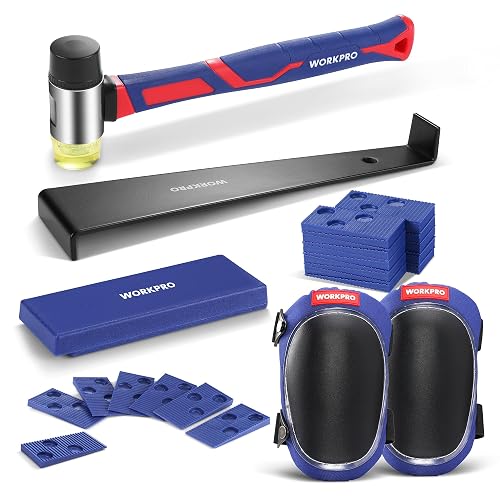
- Spacers, pull bar, and tapping block for click-lock floors
- Utility knife and a fine-tooth saw for trimming
Tips for Keeping Labor Costs Reasonable
Labor is often the largest single line on a flooring estimate, so small decisions can make a real difference. Clearing the room yourself, moving furniture, and removing baseboards in advance can reduce the crew’s time on site. Choosing a simpler layout, such as a straight lay rather than a diagonal pattern, also cuts down on cuts and waste.
Ask installers whether they offer a discount for scheduling flexibility, such as working on weekdays rather than weekends, though policies vary and you should confirm them directly. Get any promised timeline and scope in writing so there are no surprises later.
Common Mistakes
- Comparing quotes with different scopes. One quote may include removal and disposal, while another does not. Always line them up.
- Skipping the subfloor check. Hidden problems discovered mid-job often add hours and cost.
- Underestimating waste. Forgetting the cut allowance can leave you short of material and waiting on a reorder.
- Ignoring transitions and stairs. These small details add up quickly on labor.
- Accepting a verbal estimate. Get the scope, materials, and total labor in writing.
If you are weighing whether to hire out or do part of the work yourself, you may also find our guide on typical flooring installation costs helpful for comparing options. For a closer look at one specific material, see Vinyl Flooring Installation Cost Calculator: How to Estimate Your Job and Laminate Flooring Installation Cost Per Square Foot: A Practical Guide. Homeowners planning wood floors may want to read Wooden Flooring Installation Cost: A Step-by-Step Guide for Homeowners, and those looking at tile can start with Tile Flooring Installation Cost Calculator: How to Estimate Your Job.
Recommended gear
Having the right tools on hand helps you check the subfloor and cut accurately, which keeps labor time and waste under control.
- Moisture meter: Checks the subfloor for moisture before you lay new material, so you can catch problems that would slow down the install. View on Amazon
- Tapping block and pull bar: Helps you seat click-lock planks tightly without damaging the edges. View on Amazon
- Four-foot straightedge: Shows high and low spots in the subfloor so you can plan leveling before installation. View on Amazon
FAQ
What is the typical labor cost for flooring installation?
Labor rates vary widely by region, flooring type, and job complexity. Ask several local installers for itemized quotes, since the same room can produce very different numbers depending on prep work and layout.
Does labor cost include removing old flooring?
It depends on the installer. Some include removal and disposal in their labor, while others list it separately or expect you to handle it. Always confirm what is included.
Is hourly or per square foot pricing better?
Per square foot pricing is simpler to compare for straightforward jobs. Hourly pricing can make more sense for repairs or unpredictable subfloors, as long as you agree on an estimated number of hours and a cap.
Why do stairs add so much labor?
Each stair tread and riser must be measured, cut, and trimmed individually. Nosings and transitions also take extra time, so stairs usually raise the labor per square foot.
How much waste should I plan for?
Plan for roughly 5 to 10 percent extra material for simple straight layouts. Diagonal, herringbone, or highly cut rooms may need more. Confirm the figure with your installer before ordering.
Can I reduce labor costs by doing some of the work myself?
Yes, tasks like clearing furniture, removing baseboards, and hauling out old flooring can lower the installer’s time. Be realistic about your skill level, and consider a professional for tasks like leveling a subfloor or cutting complex layouts.
Should I consult a professional before starting?
Yes, especially if your subfloor shows signs of water damage, mold, or structural problems. These issues can affect safety and indoor air quality, so consult a qualified contractor or inspector before covering them up.
Conclusion
Flooring installation labor cost depends on the method of pricing, the flooring type, the condition of the subfloor, and the complexity of your layout. By measuring carefully, checking the subfloor, and comparing itemized quotes on the same scope, you can make an informed decision. Use the steps in this guide to build your own estimate and ask the right questions before you sign anything.
Related reading
- Wood Tile Flooring Installation Cost: A Step-by-Step Guide for Renovators
- Vinyl Wood Plank Flooring Installation Cost: A Step-by-Step Guide
- Vinyl Tile Flooring Installation Cost: A Step-by-Step Guide for DIY Renovators
Ready to choose one?
About Owen Palmer
Owen Palmer is part of our editorial team and reviews and edits our DIY home renovation guides, checking product details against manufacturer specifications and owner feedback.