 By Owen Palmer
Updated November 2026
If you are planning installation of linoleum flooring yourselves, the right tools make the difference between a smooth, bubble-free floor and one that lifts at the seams within a month. Linoleum is sold in sheet and tile form, and it bonds to the subfloor with adhesive, so the job depends on rolling it flat, cutting it cleanly and fitting seams tightly. We looked at each tool through the lens of what the job actually demands: adhesive coverage, pressure across the full width, precise straight cuts, and tapping planks or tiles into place without damage. We also weighed brand reputation and the patterns owners tend to describe after finishing their own floors.
Our top picks at a glance
- 1
 TOP CHOICEBest overallPOWERTEC Extendable Floor and Wall Roller for Vinyl Flooring, Tile & Linoleum RollerView on Amazon
- 2
 Best for straight cutsROBERTS Pro Vinyl Flooring KnifeView on Amazon
- 3
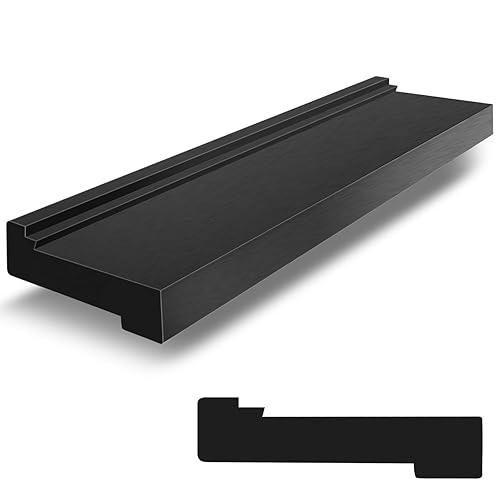 Best for tight seamsTapping Block for Vinyl Plank Flooring, Double Sided with NotchesView on Amazon
- 4
 Best budget pickBeBecome Rubber Floor Roller for Vinyl and Laminate FlooringView on Amazon
Our Top Picks
Quick Comparison
| Product | Best for | Key feature |
|---|---|---|
| POWERTEC Extendable Floor and Wall Roller | Full-room rolling of sheet and tile linoleum | Extendable handle from 17″ to 27″ and a 7.5″ roller width |
| ROBERTS Pro Vinyl Flooring Knife | Clean, straight cuts through linoleum sheet | Dedicated flooring knife designed for vinyl-type resilient floor coverings |
| Tapping Block for Vinyl Plank Flooring, Double Sided | Closing joints on tongue-and-groove or click-lock planks | Notched edges that fit three different floor thicknesses |
| BeBecome Rubber Floor Roller | Budget rolling of smaller linoleum jobs | Adjustable triple-wheel design for even pressure |
POWERTEC Extendable Floor and Wall Roller for Vinyl Flooring, Tile & Linoleum Roller
POWERTEC Extendable Floor and Wall Roller for Vinyl Flooring, Tile & Linoleum Roller with Extendable 17" to 27" Handle, 7.5" Wide for LVP, Veneer, Carpet, Wall Coverings, 1PK (71033V)
Best for: Full-room rolling of sheet and tile linoleum after adhesive is spread.
This is the roller for anyone who wants to cover a whole kitchen or hallway without crawling across the floor on their knees. The adjustable handle lets you reach the middle of a room and stand upright while you work.
Key specs
- Extendable handle, 17″ to 27″
- 7.5″ roller width
- Listed for LVP, veneer, carpet and wall coverings
Pros
- Handle length lets you stand while rolling large areas
- Wide roller covers ground faster than narrow hand rollers
- Works on several flooring types, so it stays useful after the project
Cons
- A 7.5″ roller needs overlapping passes on wide sheets
- Extended handles can feel less precise on edges and corners
Bottom line: Best for DIYers laying a full room of linoleum who want to roll the whole floor evenly without kneeling for long periods.
ROBERTS Pro Vinyl Flooring Knife
ROBERTS Pro Vinyl Flooring Knife
Best for: Clean, straight cuts through linoleum sheet and tile.
A sharp, controllable knife matters more on linoleum than most people expect, because a ragged cut at the wall or doorway shows every time. This knife suits anyone who cuts sheet goods with a straightedge and wants fewer tear-outs.
Key specs
- Designed as a flooring knife for vinyl-type resilient coverings
- Used with a straightedge for scoring and trimming
Pros
- Purpose-built blade shape suits resilient floor coverings
- Good control for trimming around doorways and cabinets
- Pairs easily with a metal straightedge for long cuts
Cons
- Blades dull and need frequent replacement on thick sheet
- Requires a straightedge and steady hand for accurate long cuts
Bottom line: Pick this if your main challenge is trimming and cutting linoleum sheet accurately around a room’s irregular edges.
Tapping Block for Vinyl Plank Flooring, Double Sided with Notches
Tapping Block for Vinyl Plank Flooring, Double Sided with Notches – Use for Tongue&Groove or Click-Lock Floor Tapping Block,3 Edges-Meet Different Floor Thickness.
Best for: Closing joints on tongue-and-groove or click-lock planks.
Where linoleum is cut into plank or tile formats with interlocking edges, a tapping block lets you seat joints without denting the surface. It is most useful for anyone whose linoleum product uses a click or tongue-and-groove system.
Key specs
- Double-sided design
- Notched edges for three different floor thicknesses
Pros
- Notches fit several plank thicknesses
- Spreads the tapping force so edges are less likely to chip
- Simple to use with a hammer, no special skill needed
Cons
- Only useful if your linoleum product locks together
- Can slip on glossy surfaces if you tap at an angle
Bottom line: Choose this for click-lock or tongue-and-groove linoleum planks where tight seams are the priority.
BeBecome Rubber Floor Roller for Vinyl and Laminate Flooring
Adjustable triple-wheel floor roller for vinyl, laminate and LVP. Delivers even pressure for bubble-free installation. BeBecome Rubber Floor Roller for Vinyl and Laminate Flooring, Adjustable
Best for: Budget rolling of smaller linoleum jobs.
For a bathroom, a laundry room or a small entry, a full-size extendable roller may be more than you need. This adjustable triple-wheel roller is aimed at smaller areas and at homeowners who want an even press without a large investment.
Key specs
- Adjustable triple-wheel design
- Rubber roller for vinyl and laminate flooring
Pros
- Adjustable design helps apply even pressure
- Well suited to small rooms and seams
- Budget-friendly option for a one-off project
Cons
- Less efficient than a wide roller on large open floors
- Manual rolling takes more effort across big areas
Bottom line: A sensible choice for a small room or a single seam, where a large roller would be overkill.
Buying Guide
Roller width and pressure
Linoleum needs to be pressed firmly into adhesive to avoid air pockets. Wider rollers cover more area per pass, but a narrow roller with adjustable pressure can work better on awkward shapes. Manufacturers generally recommend rolling in overlapping passes from the center outward.
Good picks for this: POWERTEC Extendable Floor and Wall Roller, BeBecome Rubber Floor Roller
Handle length and working posture
Rolling a full room on your knees is tiring and tends to produce uneven pressure. An extendable handle lets you stand and keep a steady arc. Check the minimum and maximum lengths before buying, so you can reach across the room comfortably.
Good picks for this: POWERTEC Extendable Floor and Wall Roller
Blade quality and cutting control
A sharp blade and a metal straightedge are the basis of clean linoleum cuts. Look for a knife designed for resilient flooring, and keep spare blades on hand. Replace blades as soon as they start to drag or tear the surface.
Good picks for this: ROBERTS Pro Vinyl Flooring Knife
Joint type and locking system
Not all linoleum is sold the same way. Sheet goods are glued down, while some plank or tile formats lock together. Confirm your product’s system before buying a tapping block, because the tool only helps with interlocking edges.
Good picks for this: Tapping Block for Vinyl Plank Flooring
Room size and job scale
A bathroom or closet is a very different job from an open kitchen and living area. Measure your floor and estimate the number of passes. Small rooms may only need a hand roller, while larger spaces benefit from an extendable model.
Good picks for this: BeBecome Rubber Floor Roller, POWERTEC Extendable Floor and Wall Roller
Durability and reuse
Rollers and knives see heavy use during a single install, and many owners report that the tools stay useful for later flooring or wall projects. Choose a tool with a sturdy frame and replaceable parts where possible.
Good picks for this: POWERTEC Extendable Floor and Wall Roller, ROBERTS Pro Vinyl Flooring Knife
Care and maintenance
Wipe adhesive off rollers before it cures, and store blades dry. Keep the tapping block clean so grit does not mark the surface. Good upkeep keeps tools working across multiple floors.
Good picks for this: Tapping Block for Vinyl Plank Flooring, ROBERTS Pro Vinyl Flooring Knife
FAQ
Do I need a roller for installation of linoleum flooring?
Yes, in most cases. Rolling pushes the linoleum into the adhesive and removes trapped air. Without it, bubbles and lifting edges are common, especially near seams.
How do I keep linoleum seams tight?
Overlap seams slightly during cutting, then cut through both layers with a straightedge. Press the seam down firmly and use a tapping block or roller on interlocking products so edges meet cleanly.
Can I use a utility knife instead of a flooring knife?
A utility knife can work for trimming, but a dedicated flooring knife is designed for the blade angle and control that resilient flooring needs. Always change blades frequently for clean results.
How long should I wait before walking on new linoleum?
Adhesive manufacturers specify cure times that vary by product. Follow the timing printed on your adhesive and linoleum packaging, and avoid heavy furniture until the bond is fully set.
Is a rubber roller enough for a full room?
It can be, but larger rooms take considerably more passes. A wider or extendable roller usually makes the job faster and more even.
Should I hire a professional for installation of linoleum flooring?
Many DIYers complete small rooms successfully, but large or complex layouts involving subfloor repair or moisture concerns may benefit from a professional. Consult a qualified flooring installer if you are unsure about subfloor condition.
Conclusion
For most whole-room jobs, the POWERTEC extendable roller gives the best combination of coverage and comfort. A sharp ROBERTS flooring knife is the right second purchase for clean edges. If your linoleum locks together, the double-sided tapping block helps close joints, and the BeBecome roller is a practical budget choice for a small room. Match the tools to your floor format and room size, and installation of linoleum flooring becomes much more manageable.
Sources
- Product safety guidance on tools, cutting equipment and home renovation hazards (cpsc.gov)
- Home improvement and moisture control basics that affect floor installation (energy.gov)
- Workplace safety recommendations for using cutting tools and working at height (osha.gov)
Related reading
- Wooden Flooring Installation Cost: A Step-by-Step Guide for Homeowners
- Wood Flooring Installation Services: A Practical Guide (2026)
- Vinyl Flooring Installation Price: What Drives the Cost and How to Save
About Owen Palmer
Owen Palmer is part of our editorial team and reviews and edits our DIY home renovation guides, checking product details against manufacturer specifications and owner feedback.