By Owen Palmer
Updated November 2026
Ceramic tile flooring installation cost depends mostly on three things: the size of the room, the condition of the subfloor, and whether you hire out the labor or do it yourself. This guide walks through each cost category so you can build a realistic plan before you buy a single tile. By the end, you will know where your money goes and which line items are worth checking twice. A related read: Tile Installation Average Cost: A Step-by-Step Guide for Renovators.
Break the Job Into Cost Categories
Most tile budgets fall apart because people only count the tile. A complete installation has several separate line items, and each one scales differently. Start by listing every category below and estimating quantities for your room. Tile Installation Cost Labor Only: A Step-by-Step Guide for Renovators goes further into this.
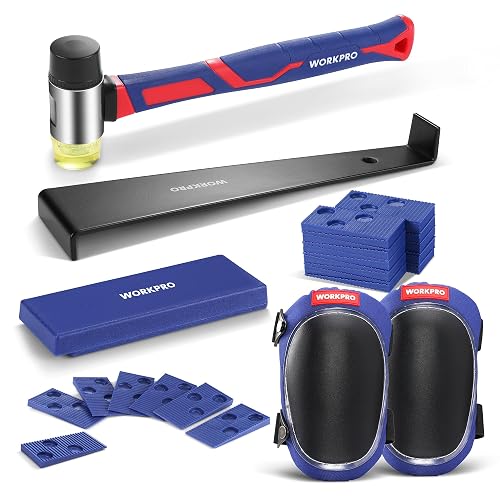
Shopping for one? See our guide: 7 Best Laminate Flooring Installation Tools for DIY Renovators (2026).
- Tile and material: Measure the room in square feet, then add 10 percent for cuts and breakage. Larger formats often need more waste allowance, so check the manufacturer’s recommendation.
- Setting materials: Thinset mortar, backer board or uncoupling membrane, grout, and sealer.
- Subfloor preparation: Leveling compound, fixing squeaky joists, and removing old flooring.
- Labor: Often the largest single expense if you hire a pro. Rates are usually quoted per square foot.
- Tools and disposal: Rental tile saw, mixing paddle, and hauling away debris.
How Subfloor Condition Changes the Total
Ceramic tile is rigid, so it cracks if the floor underneath flexes or sits unevenly. Manufacturers of most ceramic and porcelain tiles specify a maximum deflection for the subfloor, often expressed in fractions of an inch over a set span. Plywood subfloors usually need an added layer of cement backer board, and a floor that is out of level may need a self-leveling compound. For another angle, check out Porcelain Tile Installation Cost: A Step-by-Step Guide for Renovators.
Inspect the floor before you price anything. Press on the floor in several spots and listen for creaks. Check for soft boards around the toilet and tub. Any rot or water damage will add cost, and it should be repaired first. For a deeper look at how these factors affect the quote, see Installation Cost for Tile Flooring: A Step-by-Step Guide to Plan Your Job.
Estimate Your Square Footage and Labor Share
Multiply room length by width for each space, then add the areas together. Keep a separate count for irregular rooms, closets, and transitions. Once you have the total, decide how much of the work you will do yourself. Setting tile in a simple rectangular room is a reasonable first project for many DIYers. Complex patterns, large-format tile, and diagonal layouts take more skill and time, so they are often better left to a professional. A related read: Santa Rosa Tile Installation: A Step-by-Step Guide for DIY Renovators.
If you want to run the numbers quickly, the Tile Flooring Installation Cost Calculator: How to Estimate Your Job article explains how to plug in your own measurements. For a per-square-foot baseline, Cost of Tile Flooring Installation Per Square Foot: What to Expect is a useful reference.
Step-by-Step Budgeting Checklist
- Measure each room and total the square footage.
- Add 10 percent to the tile count for waste.
- Inspect the subfloor and note any repairs.
- List setting materials: thinset, backer board, grout, and sealer.
- Decide on DIY versus hired labor for each part of the job.
- Price tools you need to buy or rent, such as a wet saw and notched trowel.
- Add a contingency of about 10 percent for surprises under the floor.
Common Mistakes That Raise the Cost
- Ordering too little tile. Discontinued patterns are hard to match later.
- Skipping the subfloor check, then paying to tear out cracked tile.
- Choosing a large-format tile without confirming the floor is flat enough for it.
- Forgetting grout color and sealer in the material list.
- Underestimating demolition and disposal of the old floor.
Recommended gear
A notched trowel sized to your tile lets you spread an even bed of thinset, which helps prevent hollow spots. View on Amazon
A wet tile saw makes clean straight cuts and reduces dust compared with dry cutting. View on Amazon
A rubber grout float presses grout into joints without scratching the tile face. View on Amazon
FAQ
Is ceramic tile more expensive to install than vinyl?
Often yes, because ceramic tile needs a stable subfloor, mortar, grout, and more prep time. Vinyl floors typically go down faster and with fewer materials. Compare both on the same square footage before deciding.
Can I install ceramic tile over an existing floor?
Sometimes, if the existing floor is solid, flat, and well secured. Many installers still recommend adding backer board or a membrane. Check the tile manufacturer’s requirements first.
Do I need a professional to check the subfloor?
If you are unsure about structural soundness, water damage, or joist strength, consult a qualified contractor or structural professional before you start.
Conclusion
Ceramic tile flooring installation cost comes from the tile, setting materials, subfloor work, labor, and tools. Measure carefully, inspect the floor before you buy, and keep a contingency for surprises. A detailed line-item list will give you a much more reliable budget than the tile price alone.
Related reading
- Luxury Vinyl Tile Flooring Installation: A Step-by-Step Guide
- Flooring and Tile Installation: A Step-by-Step Guide for DIY Renovators
Ready to choose one?
About Owen Palmer
Owen Palmer is part of our editorial team and reviews and edits our DIY home renovation guides, checking product details against manufacturer specifications and owner feedback.