
 By Emily Parker
Updated November 2026
Painting interior block walls is a different job from painting drywall. Concrete block and cinder block are porous, they can sweat moisture through the wall, and they often carry chalky residue, efflorescence or old stains that bleed through a standard topcoat. The right product choice depends on what you are fighting: odors, water intrusion, stains, or simply a surface that needs sealing before the finish coat goes on. The four products below were selected by comparing manufacturer specifications, brand reputation and the patterns owners commonly report about adhesion, odor, drying time and moisture performance on masonry. We have not tested them ourselves, so treat the notes as a research summary rather than hands-on results.
Our top picks at a glance
- 1
 TOP CHOICEBest overallZinsser Odor Killing Primer, QuartView on Amazon
- 2
 Best for basements with moisture concernsLanco Dry-Coat Waterproofing Paint, Interior Wall Coating, 1 GallonView on Amazon
- 3
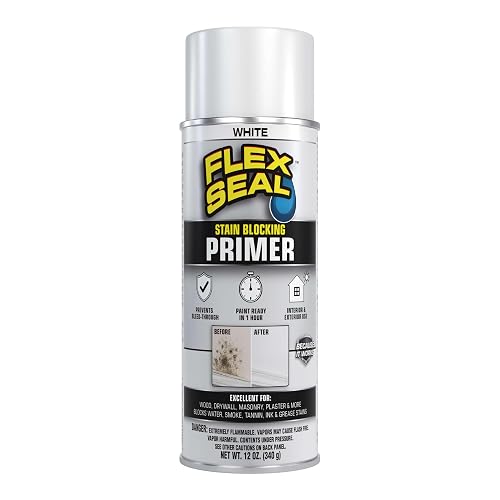 Best for stain-heavy wallsFlex Seal Stain Blocking Primer Spray, Interior Exterior, White, 12 ozView on Amazon
- 4
 Best budget pickZinsser Bulls Eye Water-Base Primer & Sealer, QuartView on Amazon
Our Top Picks
Quick Comparison
| Product | Best for | Key feature |
|---|---|---|
| Zinsser Odor Killing Primer, Quart | Walls with smoke, pet or musty odors | Water-base primer that seals odors and stains |
| Zinsser Bulls Eye Water-Base Primer & Sealer, Quart | Budget-conscious sealing before topcoat | Low-odor, fast-dry stain-blocking primer-sealer |
| Flex Seal Stain Blocking Primer Spray, 12 oz | Spot treating stains and tannin bleed | Aerosol coverage for blocking several stain types |
| Lanco Dry-Coat Waterproofing Paint, 1 Gallon | Basement and foundation-style block walls | Interior waterproofing wall coating with smooth finish |
Zinsser Odor Killing Primer, Quart
Zinsser Odor Killing Primer, Quart. Water-base primer seals in smoke, pet & musty odors and blocks stains on walls. Rust-Oleum Zinsser 307648 Odor Killing Primer, White, Quart
Best for: Blocking odors and stains before a topcoat on interior masonry
This is a good fit for homeowners who inherited a basement or garage wall that smells of smoke, pets or mustiness. Owners often report that it seals porous block well enough to keep the smell from returning through the finish coat, which is the main reason to choose an odor-blocking primer over a standard one.
Key specs
- Water-base formula
- Quart container (32 fl oz)
- White color
Pros
- Seals in smoke, pet and musty odors
- Blocks stains from bleeding through the topcoat
- Water-base cleanup with tools
Cons
- Odor-sealing claims depend on full coverage with no thin spots
- A quart covers only a small wall area, so larger rooms need several containers
Bottom line: Best for anyone whose block walls carry a smell or stain problem that a regular primer will not handle.
Zinsser Bulls Eye Water-Base Primer & Sealer, Quart
Bulls Eye water-base primer-sealer, Quart, White. Low-odor fast-dry stain-blocking primer that seals drywall, wood & painted. Zinsser Bulls Eye Water-Base Primer & Sealer, White
Best for: A budget-friendly sealer for general prep before a topcoat
This suits a straightforward interior project where the walls need sealing and a uniform base, but no special odor or waterproofing work. Owners frequently describe it as low-odor and fast-drying, which keeps the room usable sooner.
Key specs
- Water-base primer-sealer
- Quart container (32 fl oz)
- White color
Pros
- Low-odor formula suits occupied rooms
- Fast drying compared with oil-base options
- Seals drywall, wood and previously painted surfaces, so it works as a general-purpose sealer
Cons
- Not designed as a waterproofing product, so it will not stop active water seepage
- Stain-blocking strength on heavy tannin or smoke staining is less than specialty primers
Bottom line: A sensible choice for a dry interior block wall that mainly needs a uniform sealed base before the finish coat.
Flex Seal Stain Blocking Primer Spray, Interior Exterior, White, 12 oz
Blocks water, smoke, nicotine, tannin, ink, grease stains, paint ready in 1 hour, interior exterior, wood, drywall, masonry Flex Seal Stain Blocking Primer Spray, Interior Exterior, White, 12 oz
Best for: Spot-treating stubborn stains on block before repainting
This aerosol primer is aimed at problem spots rather than whole walls. Its listing names a broad set of stains it is meant to block, including water, smoke, nicotine, tannin, ink and grease, so it is most useful where a few marks keep showing through.
Key specs
- Aerosol spray, 12 oz can
- White color
- Listed for interior and exterior use on wood, drywall and masonry
- Listed as paint-ready in about one hour
Pros
- Targets multiple stain types, including tannin and nicotine
- Quick recoat window stated on the listing
- Convenient for small areas and spot repairs
Cons
- Coverage per can is small for full-wall jobs, making it expensive per square foot in practice
- Spray application needs ventilation and masking of nearby surfaces
Bottom line: Best reserved for spot treatment on block walls with persistent stains, rather than as a primer for an entire room.
Lanco Dry-Coat Waterproofing Paint, Interior Wall Coating, 1 Gallon
Lanco Dry-Coat Waterproofing Paint, Interior Wall Coating for Basements, Concrete & Foundation Walls, White Color, Smooth Finish, 1 Gallon
Best for: Basement and below-grade block walls that show dampness
This is a coating rather than a primer, designed for interior walls that deal with moisture, such as basements, concrete and foundation walls. It suits a room where the main concern is keeping moisture from affecting the finish.
Key specs
- Interior wall waterproofing coating
- 1 gallon container
- White color, smooth finish
- Listed for basements, concrete and foundation walls
Pros
- Purpose-built for moisture-prone interior masonry
- Smooth finish suits a visible wall
- One gallon covers more area than the quart-size primers
Cons
- Works best on dry or dampness-only walls; active leaks need the source fixed first
- Specialty coatings can require thicker application and careful surface prep, so follow the label closely
Bottom line: The pick for a basement block wall where dampness is the real problem, not just cosmetic staining.
Buying Guide
Identify the Problem First
Before choosing a product, decide whether you are dealing with odor, stains, moisture or simply a porous surface. A block wall that smells of smoke needs a different product than one that shows efflorescence, and both differ from a basement wall that feels damp to the touch. Describing the problem clearly narrows the field fast.
Good picks for this: Zinsser Odor Killing Primer, Lanco Dry-Coat Waterproofing Paint
Stain-Blocking Ability
Block walls often show tannin bleed, water marks and nicotine through a fresh coat. Check whether the label names the specific stains you see. A primer that blocks water stains may not block tannin, so match the product to the stain rather than assuming all stain blockers work the same way.
Good picks for this: Flex Seal Stain Blocking Primer Spray, Zinsser Odor Killing Primer
Water-Base Versus Solvent-Base
Water-base primers are generally easier to clean up and tend to produce less odor indoors, which matters in occupied rooms. Solvent-base products can offer tougher adhesion on some surfaces but require more ventilation. For most interior block work, a water-base option is the practical starting point.
Good picks for this: Zinsser Bulls Eye Water-Base Primer & Sealer, Zinsser Odor Killing Primer
Drying Time and Recoat Window
Check the stated recoat time on the can and plan your schedule around it. Fast-drying products let you apply the topcoat the same day, while slower coats may need an overnight wait. In humid basements, expect drying times to stretch, so allow extra time before adding the finish.
Good picks for this: Zinsser Bulls Eye Water-Base Primer & Sealer, Flex Seal Stain Blocking Primer Spray
Coverage and Container Size
Estimate the square footage of wall first. A standard block wall is porous and may absorb more product than drywall, so plan for a second coat. Quarts suit spot work and small rooms, while gallons make sense for larger expanses. Running short mid-wall can cause visible lap marks, so buy enough for the full job.
Good picks for this: Lanco Dry-Coat Waterproofing Paint, Zinsser Bulls Eye Water-Base Primer & Sealer
Surface Preparation Requirements
Block walls usually need cleaning, dust removal and sometimes efflorescence removal before any coating goes on. Wire-brush or wash loose chalk, let the wall dry fully, and confirm no active moisture is present. Good prep matters more than the brand, because even the best coating will peel off a dusty or damp surface.
Good picks for this: Lanco Dry-Coat Waterproofing Paint, Zinsser Odor Killing Primer
Durability and Finish
Consider how the wall will be used. A basement wall that gets bumped by stored items benefits from a tougher coating, while a lightly used finished room may only need a sealer under standard paint. Smooth finishes make block look more like a conventional wall, though block texture can still show through some coatings.
Good picks for this: Lanco Dry-Coat Waterproofing Paint, Zinsser Bulls Eye Water-Base Primer & Sealer
FAQ
Do I need primer before painting interior block walls?
In most cases, yes. Block is porous and can absorb topcoat unevenly, leaving patchy color and flashing. A sealing primer creates a uniform base and blocks stains from bleeding through. Skipping it is the most common reason for a disappointing finish on masonry.
How do I clean a block wall before painting?
Brush off loose dust and debris, then wash the wall with a stiff brush and a mild cleaning solution if needed. White, powdery residue is usually efflorescence and can be brushed off once dry. Rinse, let the wall dry completely, and check for moisture before priming.
Will a regular interior paint work on block?
A standard interior paint on bare block often looks uneven and may not adhere well. Priming first gives better coverage and a more consistent sheen. For damp walls, a waterproofing coating is generally a better choice than a conventional topcoat.
Can I paint a basement block wall that feels damp?
Dampness is a warning sign that the source of moisture should be identified before coating. Coatings can help with dampness-only walls, but active leaks or standing water need to be fixed first. If you are unsure about the cause of moisture, consult a professional such as a waterproofing contractor or structural specialist.
How many coats of primer and paint do block walls need?
Plan for one coat of primer or sealer and two coats of topcoat as a baseline, because block absorbs product unevenly. Check each product label for the recommended number of coats and recoat times, and adjust if the surface looks thirsty or patchy.
Do I need ventilation when painting interior block walls?
Yes. Even water-base products benefit from open windows and fans, and aerosol sprays need strong ventilation and respiratory protection as directed on the label. Keep the room well aired during application and drying.
Conclusion
For most interior block walls, a sealing primer comes first, and the choice depends on the main problem. Zinsser Odor Killing Primer suits walls that carry smells, Zinsser Bulls Eye Water-Base Primer & Sealer is a practical general-purpose sealer, Flex Seal Stain Blocking Primer Spray works best on isolated stains, and Lanco Dry-Coat Waterproofing Paint fits basement walls where dampness is the concern. Match the product to the problem, prepare the surface carefully, and follow the label’s recoat times for a result that lasts.
Sources
- Indoor air quality guidance on ventilation and low-VOC painting practices (epa.gov)
- Workplace safety guidance on coatings, solvents and respiratory protection (osha.gov)
- Building science research on moisture and masonry performance (nist.gov)
Before you buy: helpful guides
- Painting Interior Concrete Block Walls: A Step-by-Step Guide for Beginners
- Painting Cinder Block Walls Interior: A Step-by-Step Guide for Beginners
- Interior Cinder Block Wall Painting Ideas: A Practical Guide (2026)
- Interior Wall Spray Painting: A Step-by-Step Guide for Beginners
- Painting Interior Walls with Airless Sprayer: A Step-by-Step Guide
Related reading
About Emily Parker
Emily Parker is part of our editorial team and reviews and edits our DIY home renovation guides, checking product details against manufacturer specifications and owner feedback.



