
 By Owen Palmer
Updated November 2026
A laminate flooring pull bar is one of the most useful small tools you can add to a floor installation, because it lets you tighten the final row of planks against the wall without damaging the tongue and groove edges. This review looks at the Heavy Duty Laminate Wood Flooring Installation Set from C&T, a 12.2-inch black pull bar aimed at DIYers working on floating floors. It suits homeowners laying a single room or a whole floor who want a basic, inexpensive-to-keep-on-hand tool and who plan to install a few hundred square feet at most. It is less suited to professional installers who need a heavier, more ergonomic tool for daily use, or to anyone whose floor needs a dedicated tapping block and pry bar combination for thicker or harder planks. Read on for the specs, the trade-offs, and two alternatives worth comparing.
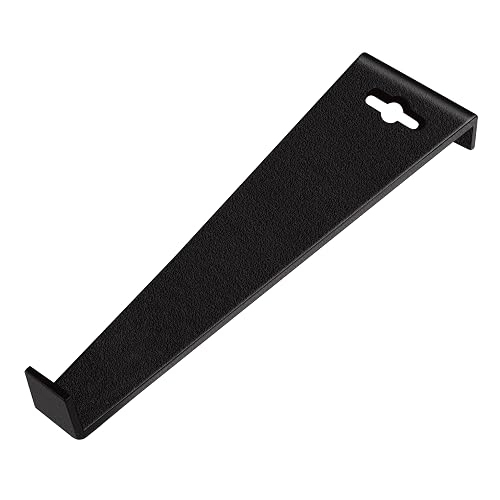
Heavy Duty Laminate Wood Flooring Installation Set, Black C&T 12.2In pull bar for vinyl plank flooring
Product Overview
The C&T Heavy Duty Laminate Wood Flooring Installation Set is a pull bar sold for laminate and vinyl plank installation. Its listing name identifies it as a black pull bar measuring 12.2 inches, designed to close the gap between the last row of planks and a wall or fixed object. The basic idea is simple: you hook the bar under the edge of a board, pull the whole row toward you, and hold the joint closed while you fasten or lock the plank. Anyone who has tried to close a final row by hand knows how easily a loose board can pop apart again, so a dedicated tool earns its place quickly.
Pull bars in this category typically include a hook or claw end that grips the plank edge and a flat or slotted end that rests against the floor. Because the listing describes the product as a heavy duty installation set, buyers should expect a steel construction rather than a plastic tool, though you should confirm material details on the listing before purchase. The set-style packaging generally means a few complementary items may be included, so check the contents on the product page to see whether any tapping blocks or spacers come with it.
Key Features & Specifications
The table below lists only the details that are stated in the product name or clearly implied by the listing. Confirm anything else on the Amazon page before ordering.
| Feature | Details |
|---|---|
| Product type | Laminate and vinyl plank pull bar (installation set) |
| Length | 12.2 inches |
| Color | Black |
| Brand | C&T |
| Intended use | Closing the final row of floating floor planks |
| Suitable floor types | Laminate and vinyl plank, floating installations |
| Construction | Heavy duty (per listing name) |
Pros & Cons
Pros
- The 12.2-inch length gives enough reach for most standard plank widths and room layouts.
- Designed specifically for floating floor installation, so the hook and bearing surfaces match the job.
- Heavy duty construction, as described, suggests it should hold up to repeated pulling force.
- Black finish is easy to spot on a worksite and less likely to show scuffs than a bright metal tool.
- Low-commitment purchase for a DIYer who needs the tool for one project.
Cons
- A single bar is limited; you will likely still need a tapping block and a spacer set for a complete install.
- Owners often report that hook ends can slip on glossy plank edges if the angle is not kept low.
- No grip handle is described in the listing, which can make sustained pulling tiring on long rows.
- Not a substitute for a professional-grade tool if you plan to install floors regularly.
Performance Analysis
This is a research-based review, so the performance picture below relies on the listed specifications and on patterns that owners commonly describe for pull bars in this class. It is not based on hands-on testing.
The most important performance factor for a pull bar is how well it transfers force to the plank without deforming the edge. A 12.2-inch bar gives a reasonable lever arm, so you can apply steady pressure across a full row without having to reposition constantly. Owners of similar tools often report that the best results come from working slowly: pull a few inches, check the joint, then pull again. Forcing the row in a single hard yank tends to bow the planks or crack the locking profile.
Durability depends heavily on construction. Because the listing describes a heavy duty set, the expectation is a steel body capable of handling repeated pressure. Owners of metal pull bars generally report that the main failure points are the hook tip and the pivot or joint where the arm meets the base, so inspect those before each use. Keep the tool clean of grit, since debris under the hook can mark finished surfaces.
Plank compatibility is the other key question. Laminate and vinyl planks vary in thickness and edge profile. Installers commonly report that pull bars work best when the hook sits fully under the lip rather than on the upper surface, and that a thin plastic or felt pad placed between the hook and the plank can prevent scratches. Always test the pull on a scrap piece or the hidden edge of the first row before committing to the full run.
Who Should Buy This Product?
This pull bar makes sense for homeowners installing a floating laminate or vinyl plank floor in one room or a small number of rooms, particularly those who want a dedicated tool rather than improvising with a pry bar and a scrap block of wood. It also suits renters or DIYers who may only install floors once or twice and do not want to invest heavily in specialty equipment.
You should skip this product if you are a professional installer working daily, if your floor requires a substantial pull force on very thick or very hard planks, or if you want a bar with an ergonomic grip for long sessions. In those cases, a heavier pull and pry tool with a larger handle will serve you better.
Buying Guide
Before buying any laminate flooring pull bar, match the tool to your floor and your workload. Start by measuring the plank thickness and checking the edge profile, since the hook needs to seat under the lip. Next, decide how much pulling force you expect. Light, one-room jobs can be handled by a basic bar. Larger or thicker floors justify a heavier pry bar. Finally, check whether you need a set with tapping blocks, spacers, or a pull bar combined with a pry bar, because those accessories determine how complete your kit will be.
Several well-known alternatives are worth comparing. A full-size pull and pry bar with a longer reach can handle heavier pulling jobs, and the WORKPRO 17-inch heavy duty pull and pry bar is one example of a longer tool built for floor installation work.

Wood Floor Installation, Vinyl Plank, LVP, LVT, Floating Floor, Durable Steel Construction, Gap Adjustment WORKPRO 17'' Heavy Duty Pull and Pry Bar, Flooring Installation Tool
For a compact pull bar sized for laminate and vinyl plank, the 265mm pull bar for laminate plank and vinyl plank flooring is a reasonable comparison point if you want a shorter tool with a similar job focus.

265mm Pull Bar for Laminate Plank, Vinyl Plank Flooring and Wood Flooring Installation Tool(10.4in (10.4inch, 1)
Before choosing between these options, compare the reach, weight, and hook design against the plank you are installing. If you are unsure which tool fits your floor, a flooring supplier or a licensed installer can advise you on the right size for your specific product.
For more background before you start, see A Step-by-Step DIY Guide to Installing Laminate Flooring, which walks through the full installation sequence where a pull bar comes into play. If you are still deciding on the floor itself, Laminate vs Vinyl Flooring compares the two materials directly. Homeowners pulling up an old floor first may also find How to Pull Up Laminate Flooring: A Step-by-Step Guide for Beginners useful. Those weighing the underlayment should read Underpad for Laminate Flooring: A Step-by-Step Guide for Beginners, and anyone planning moisture protection can check Vapor Barrier for Laminate Flooring: A Step-by-Step Guide for Beginners. For finishing touches, Wood Filler for Laminate Flooring: 4 Best Picks for Every Repair covers small repairs after installation.
FAQ
Is a laminate flooring pull bar necessary for a floating floor?
It is not strictly required, but it makes closing the final row much easier and reduces the risk of damaging plank edges. Many installers use one because hand-closing a long row is difficult to do evenly.
Can this pull bar be used on vinyl plank flooring?
The listing identifies it for laminate and vinyl plank installation, so it is intended for both. Always test on a scrap piece first, since edge profiles vary between manufacturers.
Will the hook scratch my planks?
It can if the hook rests on the surface or if there is grit on the tool. Owners commonly suggest placing a thin protective pad between the hook and the plank and keeping the tool clean.
How much force should I apply?
Use steady, moderate pressure rather than sudden jerks. Pull a short distance, check the joint, and repeat. Excessive force can bow planks or crack the locking profile.
Do I need a tapping block as well?
For a clean install, a tapping block is usually needed to seat planks fully before pulling the final row. Check whether your set includes one, or buy it separately.
Is 12.2 inches long enough for most rooms?
For most standard installations, the reach is adequate. The length matters mainly for how much leverage you get, so consider a longer tool if you are working with very wide planks or a large room.
Should I consult a professional before installing a floor?
If your subfloor has moisture problems, uneven sections, or you are unsure about your floor’s manufacturer requirements, consult a flooring professional before starting.
Before you buy: helpful guides
About Owen Palmer
Owen Palmer is part of our editorial team and reviews and edits our DIY home renovation guides, checking product details against manufacturer specifications and owner feedback.



