By Owen Palmer
Updated November 2026
What is hardwood laminate flooring? It is a multi-layer synthetic floor that looks like real wood but is not solid wood. A high-resolution photo of wood grain sits under a protective clear top layer, all pressed onto a fiberboard core. Most products click together over a foam or cork underlayment, which makes them a popular choice for DIY installers.
Why the Name Causes Confusion
The word “hardwood” in the name is misleading. Laminate flooring is not made from hardwood lumber, and the surface wear layer is not a solid plank. People who search for the term often want to know whether they are getting real wood, and the honest answer is no. You are getting the look of wood, printed onto a manufactured base. That said, the appearance can be very convincing, especially on products with embossed textures that follow the grain of the printed image.
Shopping for one? See our guide: Laminate and Hardwood Flooring (2026): Which Is Better for Your Home?.
Sellers and product listings sometimes use “hardwood laminate” as a marketing phrase. When you read a label, look for words like “laminate,” “HDF core,” or “wear layer” rather than “solid” or “engineered.” Those terms tell you what you are actually buying.
How the Layers Work
A typical laminate plank has four main layers, each with a job to do:
- Wear layer: A clear, hard coating, usually aluminum oxide or a similar resin, that resists scratches and stains. Manufacturers rate wear layers in mils, and thicker is generally more durable in busy rooms.
- Decor layer: A printed photograph of wood, stone, or tile that gives the floor its color and pattern.
- Core: Usually high-density fiberboard (HDF), which provides stability and impact resistance. Some budget products use medium-density fiberboard (MDF) instead, which holds up less well to moisture.
- Backing: A stabilizing layer on the underside that helps keep the plank flat as humidity changes.
Because the decor is a printed image, the grain pattern repeats across the floor. Better products vary the printed patterns and use textured surfaces so the repetition is harder to spot.
Factors That Affect Quality and Appearance
Not all laminate performs the same way. These are the factors worth checking before you buy:
- Wear layer thickness: Check the mil rating. Thin wear layers scratch sooner under chairs and pet claws.
- Core material: HDF cores resist swelling better than MDF. Ask the seller or read the spec sheet to confirm.
- Surface texture: Embossed-in-register (EIR) textures line up with the printed grain and look more realistic than smooth finishes.
- Plank size: Longer, wider planks show less repetition and often look closer to real hardwood.
- Locking system: Click-lock joints are the most common for DIY work. Check whether the manufacturer specifies a particular underlayment.
How It Compares to Real Hardwood
Solid hardwood can be sanded and refinished several times over its life. Laminate cannot. Once the wear layer is worn through, the damage is permanent, and the plank usually needs replacing. Laminate also responds differently to moisture. Standard laminate is not waterproof, and water that sits on the seams can cause the core to swell. Many manufacturers now sell water-resistant or waterproof versions, but you should still wipe up spills quickly.
On the plus side, laminate tends to cost less per square foot than solid hardwood and is easier for a first-timer to install. Real wood adds more resale appeal and a warmer feel underfoot. Your choice depends on how the room will be used and how long you plan to stay.
Practical Tips Before You Buy
- Order a sample and set it in the room where it will go. Check it in both natural and artificial light.
- Look at several boards side by side. Note whether the same knot or grain pattern repeats often.
- Confirm the wear layer rating and core type on the product data sheet.
- Measure the room and add about 10 percent for cuts and waste, more if the layout is diagonal.
- Let the planks acclimate in the room for at least 48 hours before installing, following the manufacturer’s directions.
- Check the subfloor is flat and dry. Laminate will show every high spot.
What We’d Use
For a family room with pets and kids, a thicker wear layer with an embossed texture is the safer choice. Look for a product described as having an HDF core and an AC rating suited to residential traffic.
A foam or cork underlayment with a built-in vapor barrier helps quiet footsteps and protects against slab moisture. View on Amazon
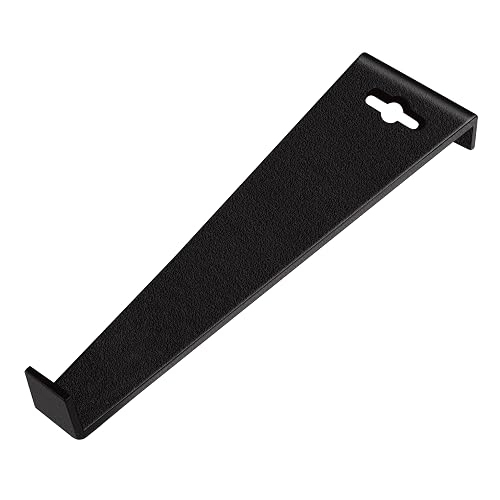
A tapping block and pull bar make tight click joints easier to close without damaging the edges. View on Amazon
Related questions
Learning the basics is a good start. You may also want to read about Laminate Flooring vs Hardwood: Which Wins for Your Home (2026) and Wooden Laminate Flooring Identification: How to Tell What You Have if you already have a floor and want to know what it is.
Is hardwood laminate flooring real wood?
No. It is a photographic image of wood on a manufactured fiberboard core, sealed under a clear protective layer.
Can you refinish laminate flooring?
No. Sanding removes the printed decor layer and wear layer, so damaged planks generally need to be replaced.
Is laminate flooring waterproof?
Standard laminate is water-resistant at best. Some newer products are rated waterproof, but you should confirm the claim on the manufacturer’s spec sheet and still clean spills promptly. For more detail, see Laminate Flooring Is It Waterproof? What Actually Happens When It Gets Wet.
How long does laminate flooring last?
Manufacturers often specify a warranty period based on wear layer thickness and traffic level. Actual life depends on how much use the room gets, how well it is maintained, and whether moisture is controlled. Check the warranty terms for residential or commercial use before you buy.
Should I hire a professional to install it?
Many homeowners install laminate themselves, but uneven subfloors, complicated layouts, or wet areas can make a professional installer worth considering. If you are unsure about the subfloor, moisture levels, or structural issues, consult a qualified flooring contractor before starting.
FAQ
Does hardwood laminate flooring need special cleaning?
Laminate needs only gentle care. Sweep or vacuum regularly, and wipe spills promptly with a barely damp cloth or a cleaner the manufacturer recommends. Avoid steam mops and excess water, since moisture can seep into the seams and damage the core.
Can you install hardwood laminate flooring over existing tile or vinyl?
In many cases you can, as long as the existing surface is flat, clean, and firmly attached. Any high spots or loose areas should be addressed first, because they can cause the floating floor to flex or click loosely. Check the manufacturer’s guidance before you begin.
Is hardwood laminate flooring a good choice for pets?
It can be, since the wear layer resists scratches better than many softer floors. However, sharp claws can still leave marks over time, and accidents need quick cleanup to protect the seams. Choosing a product with a thicker wear layer may help in busy households.
Does hardwood laminate flooring hold up well in kitchens?
Many homeowners use laminate in kitchens because it is durable and easy to clean. Spills and food debris should be wiped up quickly, and water should never be left standing on the surface. Pay extra attention to areas near the sink and dishwasher, where moisture is most likely to build up.
Will hardwood laminate flooring increase my home’s resale appeal?
It can make a space look updated and well cared for, which many buyers appreciate. Its impact on resale value depends on the quality of the product, the installation, and the overall condition of the home. Buyers in your market may have different expectations, so a local real estate agent can offer useful insight.
Can hardwood laminate flooring be used on stairs?
Laminate can be installed on stairs when the right stair nosing and trim pieces are used, but it requires more precise work than a flat floor. Stairs see heavy foot traffic, so a product rated for that level of use is important. Many homeowners choose to have stairs installed by an experienced professional.
Conclusion
Hardwood laminate flooring is a strong option for homeowners who want the look of wood with easier installation and simpler upkeep. It suits DIY-minded households, busy spaces, and anyone working within a practical budget. Those who want the warmth, repairability, and long-term value of genuine wood may be better served by solid or engineered hardwood.
If you are unsure which direction fits your home, start by considering how much moisture, traffic, and refinishing you expect over the years. Matching the floor to your lifestyle will matter more than any single feature on a product label.
Ready to choose one?
About Owen Palmer
Owen Palmer is part of our editorial team and reviews and edits our DIY home renovation guides, checking product details against manufacturer specifications and owner feedback.