By Evelyn Bennett
As an Amazon Associate I earn from qualifying purchases. This page may contain affiliate links.
The cost for bathroom remodel depends on the size of the room, how much plumbing and electrical work is involved, and the finishes you choose. In this guide you will learn how to break the project into line items, estimate each one, and build a contingency buffer so a small surprise does not derail the whole job. We are a couple who has renovated our own bathroom, so we will walk through the same steps we used, including the parts we wish we had planned better.
Start With a Clear Scope Before You Estimate Anything
Most budget blowouts come from changing the scope halfway through. Before you ask anyone for numbers, decide exactly what you are doing. A cosmetic refresh that keeps the existing tub, toilet and drain lines is a very different project from a full gut renovation that moves the shower to a new wall.
- Write down what must change: floor, tub or shower, toilet, vanity, lighting, exhaust fan, walls.
- Mark what you want to change but could live without.
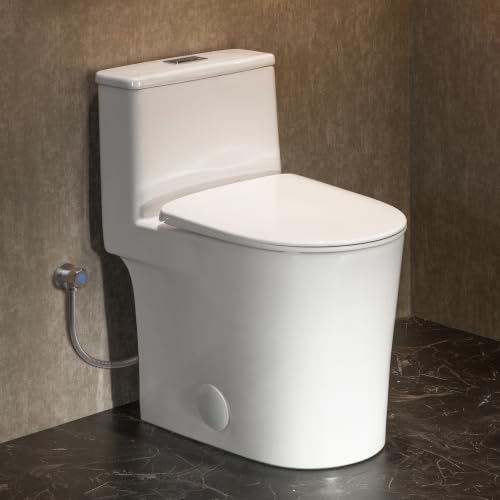
- Note anything that must stay put because moving it is expensive, such as a toilet or main drain.
- Measure the room and sketch the layout on graph paper at a scale of 1/2 inch to 1 foot.
If you are still deciding on layout, our piece on Bathroom Remodeling Guide: Planning a Bathroom Remodel covers how to sequence decisions so you do not pick finishes before you know the room will work.
Break the Cost Into Categories
Instead of asking for a single lump-sum quote, think in categories. This makes it easier to spot where you are spending heavily and where you can trim. The table below lists the main line items and what each one usually covers.
| Category | What It Includes | Where It Adds Cost |
|---|---|---|
| Demolition and disposal | Removing tile, tub, vanity, old flooring, dumpster rental | Plaster walls, multiple layers of tile, hard-to-reach debris |
| Plumbing | Supply lines, drain relocation, new valves, venting | Moving the toilet or shower drain, adding a second sink |
| Electrical | New circuits, GFCI outlets, vanity lights, exhaust fan wiring | Panel upgrades, new circuits run through finished walls |
| Walls and waterproofing | Drywall or cement board, membrane, moisture-resistant paint | Full shower surrounds, water damage repair |
| Tile and flooring | Floor tile, shower tile, grout, setting materials, underlayment | Large-format tile, intricate patterns, heated floors |
| Fixtures and vanity | Toilet, sink, faucet, tub or shower valve, cabinet, mirror | Custom vanities, freestanding tubs, smart toilets |
| Labor | Trades and general contractor fees, if hired | Each trade scheduled separately, rush timelines |
| Permits and inspections | Local building and plumbing permits | Jurisdictions that require inspections at each rough-in stage |
Demolition and Disposal
Demolition looks simple until you open the walls. Plan for a dumpster or hauling service, and budget extra if the room has cement backer board behind tile, since it is heavy and slow to remove. Wear a respirator, eye protection and gloves, and check for asbestos in older homes before disturbing flooring or joint compound.
Plumbing and Electrical
Plumbing and electrical work drives much of the variation in the cost for bathroom remodel. Keeping the toilet, tub drain and vent where they are will save you a significant amount. Moving a drain even a few feet can mean opening a floor or ceiling, and adding a second sink requires a supply line and a drain that meet code.
Electrical rules, including GFCI protection and dedicated circuits for bathroom receptacles, are strict. Many areas require a licensed electrician for panel work. Consult a licensed professional for any gas, electrical or structural change.
Tile, Waterproofing and Finishes
Tile is one of the largest visible expenses. Ceramic and porcelain tile are common choices, and larger tiles mean fewer grout lines but more careful floor preparation. Waterproofing behind a shower is not optional. Use a membrane system rated for wet areas, and follow the manufacturer’s cure times before setting tile.
For grout and sealant choices, see Selecting and Maintaining Bathroom Grout and Caulk. For flooring materials and how they behave in humid rooms, read Choosing and Installing Bathroom Flooring Materials.
Fixtures and Vanity
Fixtures are easy to overspend on because they are visible. A budget pick and a premium option can look nearly identical from across the room. Compare faucets by finish, flow rate and cartridge type before buying. If you are choosing a vanity, Bathroom Vanity Buying Guide explains sizing and construction differences that affect long-term durability.
Plan a Realistic Budget and Contingency
Experienced renovators recommend holding a contingency reserve for unexpected problems such as rotted subfloor, outdated wiring or code upgrades. Many homeowners set aside around 15 to 20 percent of the total project budget for this purpose, and older homes often need more. Track every purchase in a spreadsheet, with columns for the category, the vendor, the date and whether the cost is paid or pending.
- List every category from the table above and enter an estimate for each.
- Get at least three quotes for any trade work and compare what each one includes.
- Add your contingency reserve on top of the subtotal.
- Revisit the budget after demolition, since that is when hidden problems appear.
Recommended gear
These tools make the planning and demolition phases safer and more accurate.
- Laser distance measure helps you record wall lengths and ceiling heights quickly for tile and material calculations. View on Amazon
- Moisture meter lets you check subfloor and wall moisture before committing to new tile or flooring. View on Amazon
- Respirator with P100 filters protects you from dust and debris during demolition and sanding. View on Amazon
Common Mistakes
- Skipping the contingency reserve and then having to finance surprise repairs.
- Choosing tile and fixtures before confirming the layout and rough-in locations.
- Moving plumbing or electrical without checking whether the change requires a permit.
- Comparing quotes that include different scopes, so the lower number is missing key work.
- Ignoring ventilation, which can lead to moisture damage that costs far more to fix later.
FAQ
What is the biggest factor in the cost for bathroom remodel?
Layout changes are usually the biggest driver. Relocating a toilet, tub drain or shower requires new plumbing, framing and often electrical work, which adds labor and materials to every other category.
Should I hire a general contractor or manage trades myself?
A general contractor simplifies scheduling and accountability, while managing trades yourself can reduce overhead but requires careful sequencing. Inexperienced homeowners often benefit from hiring a contractor for plumbing and electrical rough-in.
How long does a typical bathroom remodel take?
A cosmetic update may take one to two weeks, while a full gut renovation often runs four to eight weeks depending on trade availability, inspections and drying times for waterproofing and mortar.
Do I need a permit for a bathroom remodel?
Permit requirements vary by location. Plumbing, electrical and structural changes almost always require permits, and some areas require inspections at rough-in and final stages. Check with your local building department before starting.
Can I save money by keeping the existing layout?
Yes. Keeping the toilet, tub drain and vent in place is one of the most effective ways to reduce the total project cost, because it avoids most of the plumbing and framing work.
Is it worth upgrading the exhaust fan during a remodel?
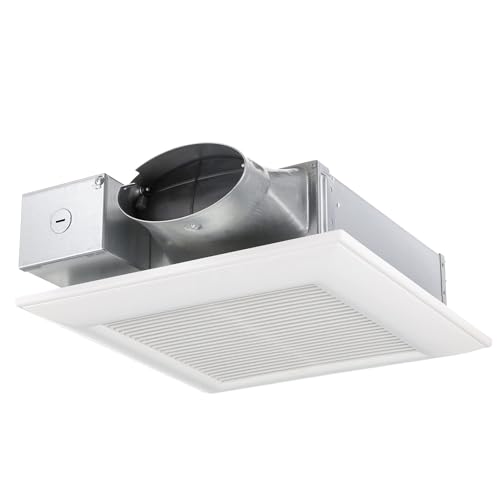
Usually yes. Proper ventilation protects paint, drywall and fixtures from moisture damage. Since walls and ceilings are open during a remodel, it is the easiest time to add or upgrade a fan and route the duct correctly. See 16 Best Bathroom Exhaust Fans for fan options.
Where can I find design ideas that keep costs down?
Smaller footprints often need fewer materials and less labor. Our articles on Small Bathroom Renovation: Space Planning, Storage and Lighting and How to Choose the Right Fixtures for a Small Bathroom show practical ways to get more function from a compact room.
Conclusion
The cost for bathroom remodel is easier to control when you define the scope first, break the project into categories, and track every line item. Keep your plumbing where it is if you can, and hold a contingency reserve for the surprises that almost always appear once walls are open. Consult licensed professionals for electrical, gas and structural work, and get written quotes that describe the same scope.

About Evelyn Bennett
Evelyn researches and writes buying guides and how-to articles on diy home renovation. Picks are based on product specifications, brand reputation and patterns in owner feedback, and are updated as new models come out.