By Owen Palmer
Updated November 2026
Learning how to fix laminate flooring usually comes down to identifying the damage, choosing the right repair for it, and taking your time with the finish. Most common problems, including surface scratches, small chips, swollen seams and loose planks, can be handled without pulling up the whole floor. This guide walks through each one so you can decide what your floor needs and get it looking right again.
Start by Identifying the Damage
Before you buy any filler or pull a single plank, look closely at the problem. Surface scratches show only a lighter line where the wear layer has been broken. Chips expose the core board underneath, usually a fiberboard that looks pale or brownish. Swelling tends to appear along seams or at the edges of planks, often after water sat on the floor. Loose or clicking planks point to a failed joint or a subfloor that has shifted. Each of these needs a different approach, so match the repair to the damage rather than the other way around.
Shopping for one? See our guide: How Much to Fit Laminate Flooring: 3 Best Options Compared for DIY Rooms.
Check the floor in good light, ideally with a flashlight held at a low angle. This shows the full extent of a scratch or dent that might be hard to see from above. Mark the affected area with painter’s tape so you know exactly what you are working on.
Repairing Scratches and Light Surface Wear
Light scratches that have not gone through the top layer often respond to a color-matched laminate repair pen or wax crayon. Clean the spot with a damp cloth, then let it dry completely. Shake or stir the product if the instructions call for it, and apply thin layers, wiping off the excess with a soft cloth before it sets. Build up the color gradually, since too much at once looks obvious. Allow the manufacturer’s recommended drying time before walking on the area.
Deeper scratches that have cut into the printed decor may need a filler compound instead. Work it into the groove with a plastic putty knife, scrape away the excess, and blend the color with a touch-up marker. Owners often report that the repair is most convincing when the match is checked in daylight before the compound fully cures.
Filling Chips and Small Dents
- Clean the chipped area and remove any loose fragments with a small brush.
- Vacuum the dust out of the hole so the filler can bond properly.
- Choose a filler that matches the floor’s color. Many kits include several shades you can mix.
- Press the filler into the chip with a plastic spatula, slightly overfilling it.
- Scrape off the excess flush with the surface, then let it cure per the label.
- Lightly smooth the patch with fine sandpaper or a wax-based finish, if the product calls for it.
Chips near an edge are harder to hide. If the damage has split the plank, a repair kit may not hold. In that case, replacing the single plank is usually the more reliable fix.
Replacing a Damaged Plank
Replacing one plank is one of the most effective ways to fix a badly damaged floor. Start by checking the manufacturer’s installation system, since most laminate uses a click-lock joint that requires the adjacent planks to be lifted at a low angle. Remove the baseboard or trim if needed, then carefully unlock the surrounding boards. Keep spare planks from the original box if you have them, and check that the replacement matches the batch as closely as possible, because shade can vary between production runs.
Once the damaged plank is out, clean the subfloor, insert the new plank at the same angle, and lock it into place. Reassemble the surrounding boards, then add a small weight or leave the room undisturbed for the time the adhesive or joint needs to settle. Replacing trim afterward helps hide any expansion gap at the wall.
Fixing Swollen Seams and Loose Planks
Swelling usually means water got under the surface. Dry the area thoroughly using fans and a dehumidifier, and find the source of the moisture before doing anything else. If the core has swelled permanently, the affected planks will likely need replacing. Edges that have only lifted slightly can sometimes be pressed back down and weighted until dry.
Loose or clicking planks often trace back to an uneven subfloor or a missing expansion gap. Check the room for gaps at the perimeter, and make sure the floor is not pinned by heavy furniture or trim. For floating floors, an adhesive designed for laminate can bond problem seams, but apply it sparingly and wipe away any squeeze-out right away.
Recommended gear
- A color-matched laminate repair kit with filler and touch-up markers, which gives you the shades you need to blend chips and scratches. View on Amazon
- A plastic putty knife, which spreads filler without scratching the surface around the repair. View on Amazon
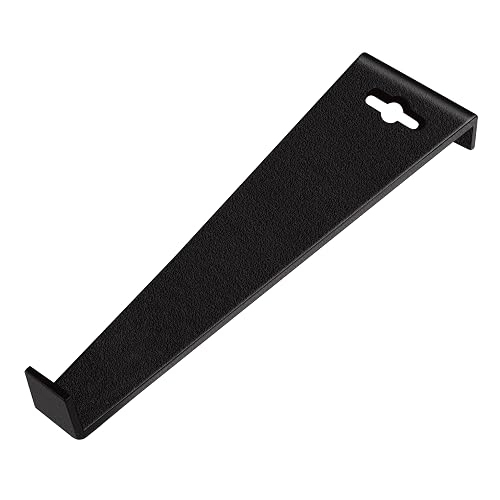
- A pull bar and tapping block, which help you reseat planks without damaging the edges. View on Amazon
- A small dehumidifier, which speeds drying after moisture exposure. View on Amazon
Common mistakes
- Using a filler that is too light or too dark. Test the shade on a scrap piece or hidden corner first.
- Sanding through the wear layer while trying to smooth a patch.
- Forcing a plank into place instead of lifting the joint at the correct angle.
- Ignoring the source of water or subfloor movement and repairing only the surface.
- Walking on repairs before the product has fully cured.
FAQ
Can you fix laminate flooring without replacing it?
Often, yes. Scratches, small chips and single damaged planks can usually be repaired. Widespread swelling or structural problems in the subfloor may call for replacing larger sections.
How do I match the color of a laminate repair?
Use a kit that offers several shades, and blend them on a hidden spot or scrap piece before applying. Check the match in natural daylight, since indoor lighting can distort color.
Can I fix swollen laminate flooring?
Minor edge lift may flatten once dried, but permanently swollen planks typically need replacing. Fix the moisture source first, or the problem will return.
How do I remove a laminate plank without damaging the others?
Remove the trim, then lift the neighboring planks at a shallow angle to unlock them. Work slowly and avoid prying hard on the edges.
When should I call a professional?
If you see widespread water damage, mold, a sagging subfloor or problems you cannot trace, consult a qualified flooring contractor or inspector before proceeding.
Conclusion
Knowing how to fix laminate flooring starts with an accurate diagnosis. Scratches and chips can often be patched, while swelling and loose planks usually call for drying, reseating or replacing a plank. Take your time, match the repair carefully, and address any moisture or subfloor issue at its source.
Ready to choose one?
Related reading
- How to Fix Scratched Laminate Flooring: 4 Simple Repairs That Work
- Wooden Laminate Flooring Identification: How to Tell What You Have
- Wood Laminate Flooring Pergo: How to Choose and Lay It Right (Step-by-Step)
- White Oak Flooring Laminate: How to Choose and Install It (Step-by-Step)
About Owen Palmer
Owen Palmer is part of our editorial team and reviews and edits our DIY home renovation guides, checking product details against manufacturer specifications and owner feedback.